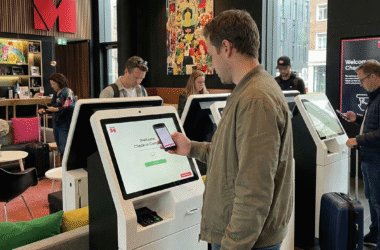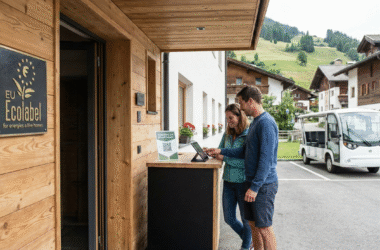




Hyper-personalisation is the new currency in travel. European travellers expect offers, messaging, and services that feel tailored to their moment, whether they’re planning a weekend city break from Berlin, a family holiday timed around French school vacations, or a last-minute business trip. At the same time, Europe’s data-protection framework forces marketers to be selective, transparent, and accountable in how they collect and use personal data. The winning strategy is not “more data” but a smarter design, such as first-party signals, contextual logic, limited automation, and measurement that preserves privacy while proving value.
Why GDPR changes how travel brands personalise?
GDPR reframes personalisation as a design problem, not a data-hoarding problem. Key obligations for data minimisation, purpose limitation, and limitations on fully automated decisions mean marketers can’t rely on opaque or hidden profiling logic. Instead, they must document purposes, justify processing, and ensure decisions that materially affect people include human oversight where required. That does not ban relevance but instead demands that relevance be explainable and proportionate.
Build a consent-first, value-driven data architecture
GDPR-compliant personalisation begins at the data model. Treat consent as a product feature and state the benefit, offer small choices (recommendations, price alerts, travel tips), which make withdrawal seamless. Prefer persistent, authenticated identifiers for consenting users (e.g., email or logged-in profile) and avoid stitching cross-site identifiers unless you have a lawful basis and a clear user benefit. Design your flows so that the moment a user says “yes”, they immediately experience a visible gain with a better search result, a tailored itinerary, or an instant price-watch setup. This approach increases opt-in rates and turns consent into an experience lever rather than a compliance checkbox.
Prioritise first-party signals as they beat third-party noise
For travel brands, first-party data is abundant and often richer than external lists: search queries on your site, saved trips, itinerary edits, repeat-modification patterns, device and session signals, app push engagement, and customer support threads. When stitched and modelled responsibly, these signals drive predictions (likely departure dates, preferred room type, ancillary interest) with lower legal risk and higher ROI than third-party pools. European and global studies show campaigns powered by owned data typically deliver materially better returns and more durable customer value than those reliant on external identifiers. Build identity graphs that prioritise consented identifiers and ephemeral session models to power real-time personalization without overreaching.
Use contextual personalization as your compliance-friendly backbone
Contextual personalization focuses on the traveller’s situation rather than a permanent profile which has the current location, device, language, session intent, booking window, local weather, and calendar events (public holidays, strike alerts). In travel, this is especially powerful as it helps in recommending flexible tickets during transport strikes, surfacing indoor activities during rain alerts, or highlighting kid-friendly options just before school vacations. Contextual rules often require little or no personal data yet deliver high perceived relevance. Combine contextual triggers with small amounts of consented first-party signals for the richest, safest outcomes.
AI and automation
AI models can scale personalization but European law draws attention to automated decisions that significantly affect people. Keep three principles front and centre: (1) human-in-the-loop for decisions that materially affect pricing, eligibility, or legally sensitive outcomes, (2) explainability, log the model inputs and the reasons behind a recommendation so you can show users or regulators how a decision was reached and (3) continuous audit with bias checks, fresh data validation, and a clear rollback procedure. Expect the regulatory horizon to tighten further as the EU’s AI rules crystallise, as designing for transparency now saves expensive rewrites later.
Measurement that proves value without surveillance
You still need to know whether personalisation drives bookings and loyalty, but you can measure this without building dossiers. Use privacy-preserving measurement such as cohort analysis, holdout/incrementality tests, clean rooms for secure, aggregated joins, and modelled conversions that respect minimisation. These approaches give reliable lift estimates and attribution without exposing individual-level profiles across networks. Investing in privacy-preserving tooling, such as data clean rooms and aggregated attribution APIs, enables marketing and finance to make a compelling case for personalisation budgets while meeting European compliance requirements.
Practical Implementation Roadmap
- Phase 1: Design & Consent
The first step is to redesign consent as a clear value exchange rather than a legal interruption. Instead of generic cookie language, the consent experience should explain exactly how personalization improves the traveller’s journey, such as more relevant recommendations, better timing of offers, or useful alerts around prices and disruptions. Granular opt-ins matter here. Allow users to choose what they want to receive, whether that is itinerary suggestions, fare tracking, or destination content. This approach aligns with GDPR expectations while also increasing trust and opt-in quality. - Phase 2: Building a First-Party Data Stack
Once consent is in place, the focus should shift to consolidating first-party data into a single, consent-aware layer. Logged-in behaviour, on-site searches, booking flows, email engagement, and app interactions should all be connected through identifiers that the user has explicitly agreed to. For visitors who have not opted in, short-lived session identifiers can still support basic optimisation and relevance without persistent tracking. This separation between consented identity data and anonymous session data is critical for both compliance and long-term scalability in Europe. - Phase 3: Contextual Rules and Lightweight Machine Learning
With a stable data foundation, personalization can be activated through contextual logic before introducing complex models. Real-time signals such as weather conditions, local events, school holidays, or transport disruptions can significantly improve relevance without deep profiling. Lightweight machine learning can then be layered in to rank offers or content based on intent signals, provided the logic remains explainable. Every model should be auditable, with clear documentation of inputs and decision criteria, so marketing teams can justify outcomes internally and externally if required. - Phase 4: Privacy-First Measurement and Optimisation
The final phase focuses on proving impact without reverting to invasive tracking. Randomised lift tests and cohort-based analysis should replace individual-level attribution wherever possible. When cross-platform measurement is unavoidable, clean-room environments allow aggregated insights without exposing raw personal data. This approach satisfies GDPR principles while still giving decision-makers confidence in performance, budget allocation, and return on investment.
Governance Checklist
Effective personalization in Europe requires ongoing governance, not one-off compliance work. Teams should maintain a clear and up-to-date record of processing purposes and data flows related to personalization, ensuring each use case has a documented legal basis. Automated systems and models should be reviewed at regular intervals, with evidence of human oversight for decisions that could materially affect users. For higher-risk profiling activities, Data Protection Impact Assessments should be conducted early, not retroactively. Finally, data retention must remain disciplined: only store fields that are strictly necessary for the stated purpose, and anonymise or delete the rest to reduce risk and technical debt.
Conclusion
Hyper-personalisation in travel is not an ethical trade-off or a legal obstacle when done correctly, as it holds the potential to become a commercial differentiator built on trust. European travellers reward clarity, so your job is to tell them what you use, why it helps, and let them opt in to the experiences they value. Start small with first-party and contextual signals, keep automation explainable and human-supervised, and prove outcomes with privacy-preserving measurement. That combination makes personalisation sustainable, scalable, and regulatory-safe.