


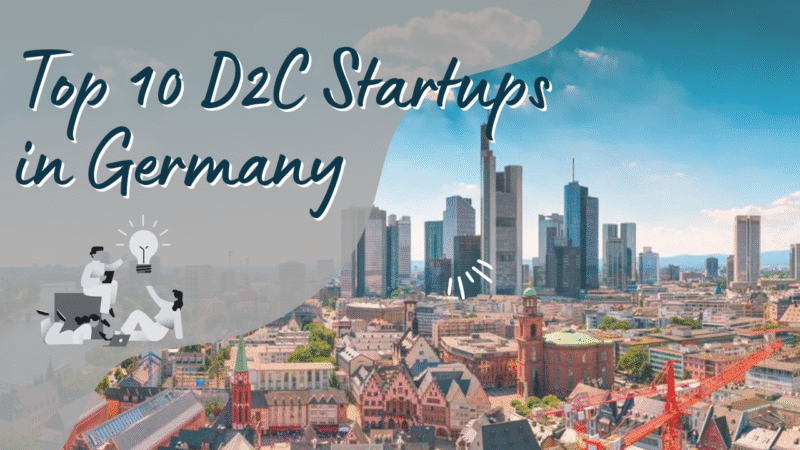
When you think of German engineering, you probably picture a sedan doing 200 km/h on the Autobahn or a heavy industrial robot arm. But while the world was watching the car manufacturers, a different kind of precision engineering has been taking over Berlin and Munich. The Direct-to-Consumer (D2C) wave here is about applying that famous German efficiency to supply chains, sustainability, and customer obsession.
The D2C brands are obsessing over ingredients, supply chain transparency, and circular economy mechanics. To gain insight into the direction of the European consumer market, consider these ten companies.
Air up
If you have walked through a European city recently, you have seen these bottles. Air up is the kind of idea that sounds like a gimmick until you try it, and then it feels like magic. They essentially hacked the human biological system to make you drink more water. By using scent pods at the top of the bottle, your brain is tricked into thinking you are drinking peach iced tea or cherry cola, while you are actually just chugging plain tap water.
What makes them a titan in the D2C space is how they locked down the hardware. They are selling a durable platform (the bottle) and a high-margin recurring consumable (the pods). It’s the Nespresso model applied to hydration, and their growth out of Munich has been nothing short of explosive.
KoRo
KoRo is arguably the darling of the Berlin startup scene at the moment. On the surface, they sell bulk food, say giant bags of peanut butter, kilo packs of dried mango, and superfoods. But the genius is in their radical transparency. For every product, they display a price graph (stock market style) that explains why the price increased or decreased this month, detailing the costs of raw materials, logistics, and packaging.
They have effectively cut out the supermarket middleman and the tax on small packaging. Their aesthetic is utilitarian and honest, which resonates perfectly with a generation tired of greenwashing and marketing spin. It’s Costco for the urban millennial, but with a supply chain that feels like a tech product.
Everdrop
The household cleaning aisle is usually a disaster zone of single-use plastics and excessive packaging weight. Everdrop looked at this and realised that selling water was a stupid idea. Their pitch is simple – buy the bottle once, and then just buy the tiny tabs. You fill the bottle with tap water at home, drop in the tab, and you have your cleaning solution.
Based in Munich, they have scaled incredibly fast because their product is undeniably logical. It saves massive amounts of CO2 in shipping since they aren’t shipping heavy water, and eliminates plastic waste. Their design language is also stunning. They made toilet cleaner look like something you’d want to display on a shelf, which is a feat in itself.
Dance
This is what happens when the founders of SoundCloud decide to fix urban mobility. Dance isn’t selling you an e-bike; they are selling you the state of having an e-bike. For a monthly subscription, you get a beautiful, custom-designed electric bike (and now mopeds), but you don’t own it. If it breaks, they fix it immediately. If it gets stolen, they replace it.
It’s the ultimate Hardware as a Service play. They realised that the most significant barrier to e-bike adoption wasn’t the price tag, but the anxiety of theft and maintenance. By absorbing that risk, they have unlocked a massive demographic of riders who want the commute without the grease on their hands.
yfood
A few years ago, meal replacement drinks were primarily used by long-working biohackers or bodybuilders. yfood took that concept and made it palatable for the average German office worker. Their bottles are now ubiquitous in gas stations and supermarkets, bridging the gap between niche supplement and mass-market convenience food.
They grew by aggressively targeting the gaming and streamer community before expanding to the general busy professional crowd. It’s a masterclass in community building. They built a lifestyle brand around efficiency and nutrition, turning a boring commodity into a status symbol for the productivity-obsessed.
Gitti
The beauty industry is notoriously dirty, filled with harsh chemicals and unrecyclable glass. Gitti came out swinging with a water-based nail polish that removed the toxic “fume” smell and the questionable ingredients. It was a massive hit on German TV (Die Höhle der Löwen) and sold out instantly.
But they didn’t stop at just “clean” ingredients. They are pushing hard on the packaging front, trying to solve the problem of small beauty bottles being unrecyclable. Gitti feels that the future of cosmetics is not just “not bad for you,” but actively addressing the waste problem that the industry often ignores.
Formel Skin
Germany has a strong dermatological tradition, but getting an appointment can take months. Formel Skin digitised the waiting room. You upload photos of your skin, a real dermatologist analyses them, and they send you a custom-mixed formula every month. It’s telemedicine meets D2C subscription.
This compounding pharmacy approach enables them to treat acne and skin issues with medical-grade ingredients, such as prescription-strength retinoids, that are not available at Sephora. It creates an incredibly loyal customer base because once you find a medical formula that works for your face, you are unlikely to cancel that subscription.
Every.
Frozen food has a reputation for being bland, salty, and having a medicinal processed odour. Every. (yes, with the dot) is trying to rebrand the freezer as the ultimate preserver of nutrients. They ship flash-frozen vegan bowls that can be prepared in under ten minutes. The angle here is that of no excuses, healthy eating for remote workers.
The quality difference is noticeable. Because they flash-freeze at the source, the vegetables retain actual crunch. It’s a direct response to the “delivery fatigue” in big cities, and for when you sometimes want a healthy meal in 10 minutes without paying €20 for a lukewarm Uber Eats delivery.
The Nu Company (nucao)
Based in Leipzig, this team is waging a war against the traditional chocolate industry. Their flagship product, nucao, is a vegan chocolate bar that uses less sugar and compostable packaging. However, their marketing is what sets them apart. They are loud, activist, and unafraid to call out big corporations for their use of plastic and high sugar content.
They recently pivoted their branding to be more mainstream, realising that to change the world, you have to sell to the masses, not just the eco-warriors. It’s a fascinating case study in how a mission-driven startup scales up to fight the giants like Nestlé on their own turf.
HOLY Energy
If you look at the energy drink market, it’s mostly sugar water in aluminium cans. HOLY Energy looked at the gaming demographic and realised they deserved better. They sell powder tubs, which reduce shipping weight and waste by allowing you to mix the powder with water. No sugar, no taurine crash, just caffeine and vitamins.
Their “drop culture” marketing is straight out of the streetwear playbook. New flavours are hyped up and sell out in hours. They have built a rabid community on Discord that feels more like a fan club than a customer base. It’s a perfect example of a brand understanding its niche, in this case, gamers, better than the incumbents do.
In Conclusion
The German D2C scene is maturing rapidly. Whether it’s solving the single-use plastic crisis or democratising medical skincare, the ambition level here is high, and the execution is undeniably German.