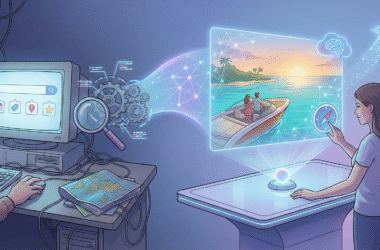




The Digital-First Travel Agency Model has emerged as the most resilient commercial architecture in the tourism industry following the global disruptions of the last decade. For years, the traditional agency was defined by antiquated storefronts, paper brochures and manual phone calls. That era has been superseded by a new vanguard of founders building agile, software-driven enterprises. These modern agencies do not attempt to sell everything to everyone. Instead, they leverage data to serve specific niches with extreme precision. This guide provides the strategic blueprint for entrepreneurs who aim to launch a travel brand that combines the velocity of an OTA with the empathy of a human concierge.
Why the Digital-First Travel Agency Model is Winning
The primary motivation for adopting a Digital-First Travel Agency Model is the radical metamorphosis in consumer behaviour. Modern travellers can book flights or hotels independently. They do not require an intermediary for simple transactions. They demand an agent for complexity, curation and safety. The post-pandemic landscape is replete with cancelled flights and labyrinthine regulations. A digital-first agency utilises technology to monitor these risks in real time and provides proactive support that a generic algorithm cannot match.
Financial efficiency creates the second major driver. A digital agency operates without the burden of rent, allowing it to allocate capital heavily to technology and marketing. By automating back-office functions such as invoicing and ticketing, founders can execute a lean operation that scales rapidly. This operational agility mirrors the strategies of high-growth startups, where removing friction leads to superior margins. The objective is to build an asset-light, service-heavy business.
Defining Your Niche Strategy
The cardinal error founders make is attempting to compete with giants like Booking.com or Expedia. The Digital-First Travel Agency Model succeeds by dominating a specific vertical. You must become the undisputed authority in a narrow field, such as sustainable luxury, remote work relocations, or adventure sports.
For example, an agency focused on the digital nomad economy can offer specialised services such as verifying Wi-Fi speeds or arranging long-stay visas. This level of granularity creates a defensive moat that generalist platforms cannot cross. Another powerful niche is eco-conscious travel, where agencies curate trips based on rigorous sustainable tourism metrics. By ensuring that every partner hotel meets high environmental standards, you deliver value that the mass market ignores.
Building the Sovereign Tech Stack
The technical implementation of this model requires a migration away from legacy GDS terminals. The modern founder builds a stack that connects directly to suppliers via API. This facilitates dynamic packaging, where flights, hotels, and experiences are bundled together instantly.
Founders should leverage tools that connect with independent hotels, offering better rates and deeper inventory than the major aggregators. Furthermore, integrating predictive analytics tools enables the agency to advise clients on the optimal time to book. By utilising the same logic used in AI-driven price prediction engines, you can save your clients money while increasing your own commissions through timing arbitrage.
The Human AI Hybrid Service Model
The secret weapon of the Digital-First Travel Agency Model is the symbiosis of artificial intelligence and human empathy. AI should handle the drudgery of searching for options and managing schedules. Generative AI tools can draft detailed itineraries in seconds based on client preferences.
However, the human agent must manage the relationship. When a flight is cancelled at midnight, or a client needs a doctor in a foreign country, the human provides the reassurance that a chatbot cannot. This hybrid approach ensures the business is scalable without being impersonal. It aligns with the service philosophy, where technology handles the admin so staff can focus on hospitality.
Revenue Models Beyond Commission
The traditional commission model is obsolete. Airlines and hotels are reducing agency fees to boost their own direct sales. The Digital-First Travel Agency Model thrives by diversifying revenue streams.
Subscription models are becoming increasingly popular. Clients pay a monthly or annual retainer for access to exclusive rates and 24/7 support. This generates recurring revenue, stabilising cash flow. Another avenue is the planning fee, which the agency charges for the expertise required to design a complex trip, regardless of whether the booking is made. This shifts the business from a transactional sales model to a professional consultancy model. It elevates the agent’s status and attracts high-net-worth clients who are willing to pay for expertise.
Navigating the Regulatory Landscape
Operating a travel agency requires strict adherence to financial and consumer protection laws. In Europe, the Package Travel Directive imposes significant liabilities on companies that sell combined travel services. Founders must ensure they have the correct insurance and bonding in place to protect client money.
The push for green travel means that agencies must be prepared to report on the carbon footprint of the trips they sell. Utilising established sustainability frameworks allows agencies to provide transparent emission data. This not only ensures compliance with emerging regulations but also positions the brand as a leader in ethical tourism.
Conclusion
The Digital-First Travel Agency Model has transformed the role of the travel agent from a booking clerk into a lifestyle architect, by understanding the how and why behind these shifts from niche specialisation to the hybrid service model, founders can build businesses that are immune to the commoditization of the big OTAs. The work of building a modern agency is about leveraging technology to deliver a level of care and expertise that the internet alone cannot provide. As travel becomes more complex and consumers become more demanding the agency that can combine digital speed with human trust will own the future of the industry.