

As Europe searches for more sustainable ways to produce protein, Finnish startup Volare is moving circular food production from an emerging concept to industrial reality. The company has completed its first large scale protein factory in Pori, Finland, designed to transform food industry byproducts into valuable ingredients for animal feed. The facility marks a major milestone for Volare as it prepares to expand production and strengthen Europe’s supply of locally produced alternative proteins.
A Major Step for Insect Protein
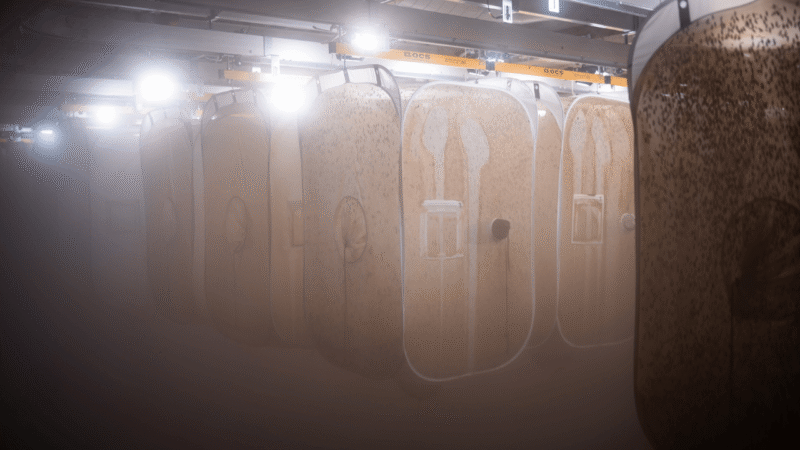
Founded in 2021, Volare has completed Volare 01, a 10,000 square metre industrial facility capable of producing up to 5,000 tonnes of insect protein and 2,000 tonnes of insect oil annually. The factory was delivered within its €15 million capital expenditure budget and according to schedule.
The project represents a significant expansion from the company’s demonstration plant, scaling its production capacity by approximately 1,000 times while retaining the same core technology developed and tested over four years of commercial operations.
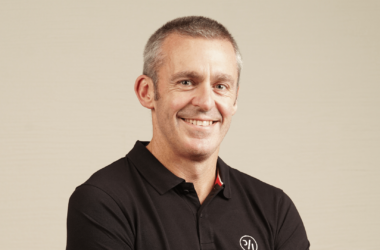
CEO and co founder Jarna Hyvönen said the completion demonstrates that Volare’s production technology and operating model can work at industrial scale, creating a foundation for further expansion.
Turning Food Byproducts Into Valuable Ingredients
Volare uses black soldier fly larvae to convert food industry side streams into protein, oil and fertiliser. Its approach aims to extract greater value from materials that might otherwise be discarded, supporting resource efficiency and reducing dependence on conventional protein ingredients.
The company’s technology originated from research conducted at VTT Technical Research Centre of Finland. Its founding team combined expertise in agriculture, engineering, biomass processing and circular economy solutions to develop an industrial production model.
By using locally available byproducts, Volare aims to support regional agriculture while creating an additional source of protein for aquaculture, pet food and poultry feed manufacturers.
Building Efficiently by Reusing Industrial Infrastructure
Rather than constructing an entirely new building, Volare converted a former newspaper printing facility into its first industrial factory. The decision helped reduce construction time, with the project completed in approximately nine months.
According to Hyvönen, reusing the existing building saved considerable time and provided sturdy floors suitable for heavy industrial equipment.
The factory has also been designed around automation and electrification. It can operate with just four employees per shift, while its production processes are designed to run on electricity instead of natural gas.
Volare combines established industrial equipment with proprietary technologies, including a dry processing method intended to improve product quality while lowering energy consumption and production costs.
Addressing the Cost Challenge
The insect protein industry has faced difficulties scaling production economically, with several European businesses encountering financial or operational challenges. Volare believes its approach to capital expenditure, automation and process efficiency can help it compete in a market dominated by established ingredients such as soy and fishmeal.
The company reports that its protein meal delivers more than 90 per cent digestibility. Its products are already used commercially in aquafeeds, pet foods and poultry feeds.
Volare has developed partnerships with Nordic manufacturers and secured offtake agreements involving Skretting and other industrial customers. A significant share of the new factory’s planned production capacity has already been sold, providing an initial commercial foundation for its expansion.
Funding the Next Growth Phase
Volare has secured €7.1 million in new funding through Springvest, with participation from new and existing investors, including Maki.vc. The capital will support the commissioning and ramp up of Volare 01 while helping prepare the company for additional production facilities.
The immediate priority is to bring the Finnish factory towards full capacity. Longer term, Volare plans to replicate its production model across Europe and other markets, with its next factory expected to have approximately five times the protein production capacity of the current facility.
Expanding Europe’s Alternative Protein Supply
Volare is betting that efficient industrial production can make insect protein a more practical ingredient for animal feed manufacturers. Its strategy centres on scaling a proven process, controlling operating costs and maintaining a focused approach to black soldier fly technology.
If the company can translate its initial factory performance into larger facilities, it could help increase the availability of locally produced protein while making greater use of food industry byproducts.
For Volare, the next challenge is turning its first industrial milestone into a repeatable model for expansion.