



A Changing Funding Climate for Startups
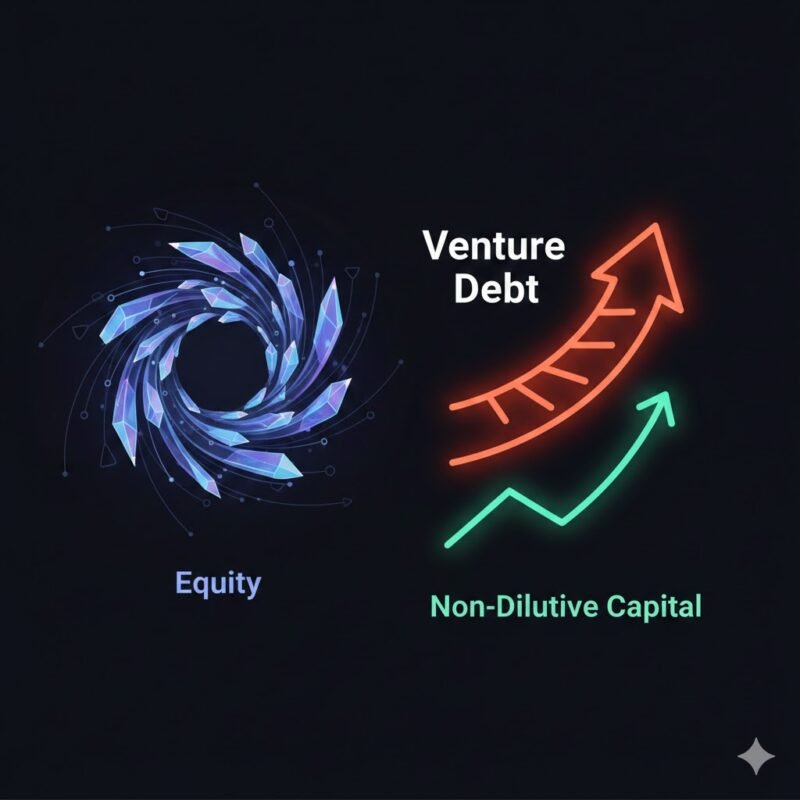
Founders across the tech world are rethinking how they raise money as equity markets remain cautious and valuations swing from one quarter to the next. Instead of rushing into down rounds or giving up larger slices of ownership, many are turning toward non dilutive capital. Venture debt in particular has become a go to option for companies that need more runway but want to keep their cap tables intact. Investors say the shift is not just a reaction to market pressure but part of a longer trend toward more disciplined growth.
Why Venture Debt Is Gaining Momentum
Venture debt works like a loan tailored for venture backed startups. It is typically offered to companies that already have reputable investors and predictable revenue growth. The appeal is straightforward. There is no immediate hit to ownership and the capital often costs far less than equity in a turbulent market. Lenders have become more selective but they are still competing for strong deals which has led to more flexible terms for founders. For many companies the financing serves as a bridge to the next major milestone whether that is a new product launch or a larger equity round months down the road.
How It Stacks Up Against Equity
Equity remains essential for companies that need major capital to scale, especially in the early stages when revenue is thin. It buys time and resources but it also reshapes ownership and influence inside the company. Venture debt plays a different role. It works best for startups with reliable recurring revenue or clear visibility into upcoming growth. By adding debt to the mix, founders can delay a new raise until market conditions improve or until the company has reached a point where the valuation reflects its progress. Choosing between equity and debt is less about preference and more about timing, risk tolerance and the strength of a company’s fundamentals.
How It Stacks Up Against Equity
What makes non-dilutive financing so appealing right now is the control it allows founders to keep. Companies that rely on steady revenue models such as SaaS often use venture debt to accelerate hiring or expand to new regions without surrendering ownership. Others use it as a buffer during rough economic cycles to make sure they never have to raise capital out of desperation. It has become a quiet competitive advantage for teams that know how to manage their cash flow and stay disciplined with spending.
Building Venture Debt Into a Funding Plan
A thoughtful approach is crucial. Founders need a clear sense of their burn rate, the timing of their next milestone and their confidence in repayment. Lenders look closely at forecasting accuracy and operational discipline so an honest financial picture is essential long before paperwork begins. The goal is not to stack on debt for the sake of runway but to use it as a lever that strengthens the company’s position when it eventually returns to the equity market.
Building Venture Debt Into a Funding Plan
The growing interest in non dilutive capital signals a shift toward more grounded decision making in the startup world. Instead of chasing the biggest raise or the flashiest valuation founders are looking for ways to grow on their own terms. Venture debt will not replace equity but it has become an important part of the funding toolkit. For companies navigating an unpredictable market it offers a way to keep building without giving up the future.