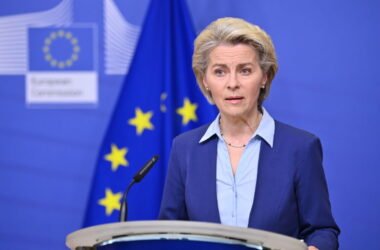


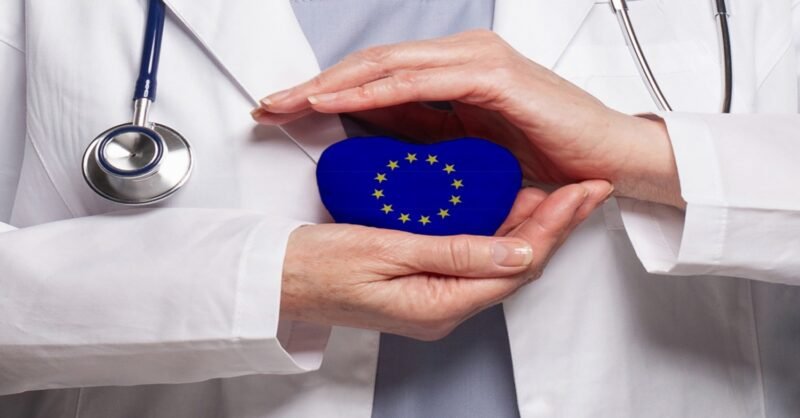
In a decisive move to reinforce global health security at a time of rising cross-border health threats, the European Commission has announced a sweeping financial package aimed at combating infectious diseases, antimicrobial resistance, and neglected illnesses. The initiative, presented at the One Health Summit in Lyon by Commissioner Jozef Síkela, underscores Europe’s ambition to play a leading role in strengthening healthcare systems worldwide.
Renewed Backing for the Global Fund
At the heart of the announcement is a €700 million pledge to the Global Fund to Fight AIDS, Tuberculosis and Malaria as part of its eighth replenishment cycle covering 2027 to 2029. Of this total, €185 million will be mobilised immediately through the EU’s current long-term budget.
Since its establishment in 2002, the Global Fund has been instrumental in reducing mortality from HIV, tuberculosis, and malaria, particularly across low- and middle-income countries. Beyond disease-specific programs, it has also invested heavily in strengthening healthcare systems and improving access to essential services for vulnerable communities, including women and girls.
The EU, together with its member states collectively known as Team Europe, remains one of the largest contributors to the fund. Their combined pledge of more than €3 billion accounts for roughly one third of total donor contributions for the upcoming cycle.
This commitment aligns with the broader Global Health Resilience Initiative, first outlined by Ursula von der Leyen in the 2025 State of the Union address. The initiative is expected to be formally launched before summer and will define the EU’s long-term priorities in global health investment.
Tackling Antimicrobial Resistance Across Regions
In parallel, the Commission has earmarked €46.5 million to deepen health cooperation between Europe and Africa, with a strong focus on addressing Antimicrobial resistance, widely regarded as one of the most serious global health threats.
Without effective intervention, antimicrobial resistance could lead to as many as 10 million deaths annually by 2050, with Africa expected to bear nearly half of the burden. Europe is already experiencing its consequences, with over 35,000 deaths each year linked to resistant infections.
The new funding will support the development of surveillance systems, strengthen laboratory and diagnostic capabilities, and enhance prevention and control strategies at national and continental levels. It will also contribute to building a robust One Health workforce that integrates human, animal, and environmental health approaches.
Implementation will involve collaboration with key institutions such as the European Centre for Disease Prevention and Control, the Africa Centres for Disease Control and Prevention, and the European Food Safety Authority, alongside major research partnerships.
Boosting Research and Development
To further strengthen the response, an additional €50 million has been allocated to research and development targeting antimicrobial resistance and neglected diseases. Of this, €30 million will support the development of new antibiotics and medical countermeasures.
The funding, managed by KfW, will benefit global initiatives such as CARB-X and the Global Antibiotic Research and Development Partnership, both of which focus on accelerating innovation from early discovery to late-stage clinical development.
A further €20 million agreement has been signed with Agence Française de Développement to support the Drugs for Neglected Diseases initiative. This funding will advance treatments for diseases such as dengue, which is expected to expand its geographic reach due to climate change and evolving patterns of vector-borne transmission.
Building Long-Term Global Health Resilience
Taken together, the EU’s latest commitments reflect a comprehensive and forward-looking strategy to address both current and emerging health challenges. By combining substantial contributions to the Global Fund with targeted investments in antimicrobial resistance and research innovation, the bloc is reinforcing its leadership in global health.
The emphasis on cross-continental collaboration, particularly between Europe and Africa, highlights the importance of coordinated responses in an increasingly interconnected world. As the Global Health Resilience Initiative takes shape, these investments are set to form the backbone of the EU’s long-term effort to safeguard health systems and improve outcomes worldwide.