


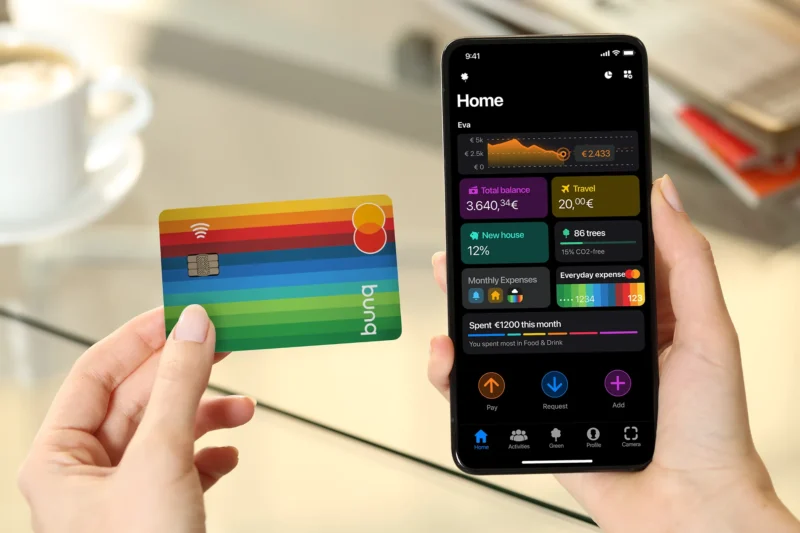
Dutch digital bank Bunq has reapplied for a US banking licence, marking a renewed push into the American market as regulatory conditions become more favourable for fintech firms. The neobank has submitted a new application to the Office of the Comptroller of the Currency (OCC), the federal body responsible for supervising national banks in the United States.
Bunq, which serves more than 20 million users across Europe, is positioning the move as part of its strategy to support internationally mobile customers who live and work across borders. The company said the licence would allow it to offer full banking services directly in the US, rather than relying on partnerships.
Renewed Push After Previous Withdrawal
This is not Bunq’s first attempt to enter the US banking market. In 2024, the company withdrew a previous application for a national bank charter, citing regulatory complexity and coordination challenges between European regulators, the OCC, and the Federal Deposit Insurance Corporation (FDIC).
Since then, Bunq has continued to build its regulatory footprint in the US. Last year, it was granted a broker-dealer licence, a move the company described as a foundational step toward a full banking licence. The new filing reflects Bunq’s confidence that conditions are now more supportive for fintech entrants.
Industry observers note that the regulatory climate for financial technology firms has become more accommodating under the administration of President Donald Trump, with regulators signalling greater openness to innovation and competition in financial services.
Targeting US Metropolitan Areas
Bunq said that if granted approval, it plans to launch its services initially in US metropolitan areas with large expatriate and internationally mobile populations. These include cities where European professionals frequently live and work, and where demand for cross-border financial services is strongest.
The bank intends to focus on customers who need seamless access to both US and European banking systems. This includes individuals relocating for work, entrepreneurs operating across jurisdictions, and digital nomads who face challenges with traditional banks.
According to Bunq, its US offering would include checking accounts and payment services designed to mirror the experience its European users already have, with a strong emphasis on mobile-first design and automation.
Credit Building for Expats a Key Selling Point
One of the most distinctive elements of Bunq’s proposed US services is its approach to credit building. The bank said it plans to help newly arrived expats overcome one of the biggest barriers to settling in the US financial system: the lack of a domestic credit history.
Under its proposed model, eligible customers would be able to leverage European financial records to help establish US credit scores more quickly. Bunq also said users may be able to hold both US and European checking accounts, subject to eligibility and regulatory approval.
Ali Niknam, founder and chief executive of Bunq, said the strategy reflects how modern customers live and work. “Our users are building their lives across borders, so they need a bank that is safe, secure and easy to use, wherever they are,” he said, adding that Bunq wants to give customers freedom of movement between Europe and the US without financial friction.
Part of a Broader Fintech Trend
Bunq’s move comes amid a wider push by fintech and crypto-native companies to secure US banking licences. Firms including PayPal, Nubank, and Coinbase have all recently applied for US banking charters or similar approvals.
These applications reflect growing confidence that the US regulatory environment is becoming more receptive to non-traditional banks, particularly those with strong compliance frameworks and established user bases.
For Bunq, securing a US banking licence would represent a major milestone, transforming it from a European challenger bank into a truly transatlantic financial institution. Whether regulators approve the application will be closely watched by the global fintech industry.