

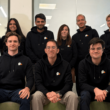


As reported by TechCrunch, Stockholm-based Lovable has reached $200 million ARR, and CEO Anton Osika says one reason is the team’s choice to stay in Europe rather than relocate to the U.S.
Osika put it simply onstage at Slush: “It was tempting, but I really resisted that.” He added, “I [can] sit here now and say, ‘Look, guys, you can build a global AI company from this country.’ There is more available talent if you have a strong mission, and you have a lot of urgency coming together as a group and working.”. Lovable didn’t stay in Stockholm out of stubbornness. The team found a rhythm that suited the product with focused engineering, space to iterate, and a hiring pool that wasn’t constantly rotating out to the next Series B rocket ship.

Investors took note, and Accel led a large recent round. Partner Zhenya Loginov said the company “flipped the script” by bringing senior talent from Silicon Valley to Stockholm. That combination enabled Lovable to avoid a U.S. move on the runway.
The Community played a significant role in this. Osika credited an active Discord community for shaping product decisions: “We just see all of these people in the community driving forward… active voices on Discord for, I think, the last 1,000 hours.” For an AI tool, user co-development like that speeds iteration in a way paid growth rarely can.
Lovable’s milestone doesn’t prove that staying is always best. But it does show a clear pattern. With a tight mission, strong investor backing, and a hands-on community, scaling from Europe is a deliberate strategy.