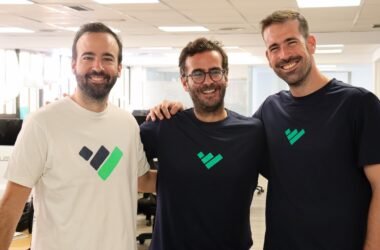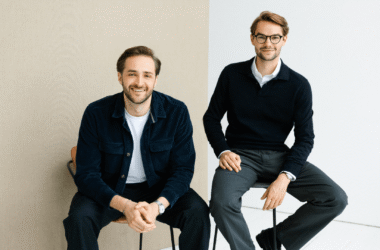


Munich based medtech startup Noxon has closed a seed funding round led by High Tech Gründerfonds and Bayern Kapital, marking an important milestone in the company’s mission to bring continuous muscle diagnostics and therapy into everyday life. The round also included participation from Auxxo and another institutional investor, although financial details were not disclosed. The funding will be used to advance clinical validation and prepare the launch of Noxon’s first medical products.
Rethinking muscle therapy beyond the clinic
Rehabilitation and neuromuscular therapy today are still largely confined to clinical environments. Muscle diagnostics and electrical stimulation are typically performed during scheduled appointments, leaving long gaps without insight into how muscles behave in daily life. For patients recovering from injury or living with neuromuscular disorders, this often means therapy that is reactive rather than adaptive.
Noxon is addressing this challenge by developing a medical Muscle Computer Interface designed for continuous use outside the clinic. The company’s approach is built around the idea that muscle health should be monitored and supported in real time, not only during occasional visits to healthcare professionals. By moving diagnostics and therapy into everyday settings, Noxon aims to enable more personalised and responsive treatment pathways.
A closed loop approach to muscle health
At the core of Noxon’s technology is a closed feedback loop that combines continuous muscle diagnostics with neuromuscular electrical stimulation. The system measures muscle activity in real time and immediately adapts stimulation based on the data collected. This allows therapy to respond dynamically to changes in muscle function, fatigue, or recovery.
The technology is designed to integrate into familiar and unobtrusive formats such as medical tapes, patches, and orthopaedic aids. This design choice is intended to support long term use and seamless integration into daily routines, without disrupting mobility or comfort. By embedding advanced diagnostics and stimulation into wearable solutions, Noxon seeks to make muscle therapy more accessible and easier to maintain over extended periods.
Expanding clinical applications through partnerships
Alongside product development, Noxon is collaborating with leading medical and research partners to explore additional clinical applications. The company is working with University Hospital Würzburg and the neuroscience research group N Squared Lab on pilot projects focused on impaired muscle control.
These collaborations include research into conditions where signal transmission between the brain and muscles is disrupted. One area of focus is the potential to support patients with Parkinson’s disease, including approaches aimed at reducing tremor through targeted and adaptive muscle activation. By grounding its technology in clinical research, Noxon aims to build a strong evidence base for broader therapeutic use.
Funding to accelerate validation and market entry
The newly secured seed funding will allow Noxon to accelerate clinical validation of its platform and move closer to regulatory approval. The company plans to use the capital to expand trials, refine its wearable formats, and prepare for the market launch of its initial products.
Investors backing the round bring experience in early stage medtech and healthcare innovation, supporting Noxon as it transitions from development into clinical and commercial execution. The company’s long term goal is to make muscle health more transparent, personalised, and continuously supported, helping patients and clinicians move from episodic treatment toward adaptive, data driven therapy.
As healthcare systems increasingly look for solutions that extend care beyond traditional settings, Noxon’s approach reflects a broader shift toward continuous monitoring and personalised intervention. With fresh capital and strong clinical partnerships, the company is positioning itself at the intersection of wearable technology, neuromuscular therapy, and digital health.