


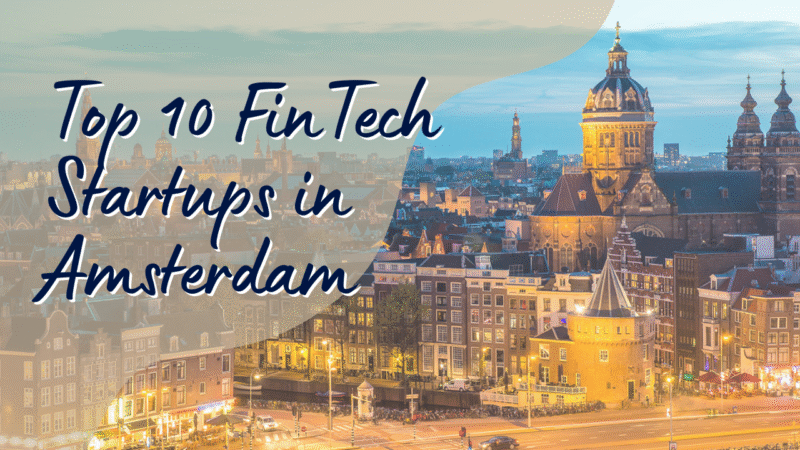
Amsterdam invented the stock market in 1602 and gave birth to the modern payment giant Adyen four centuries later. This historical lineage drives a fintech ecosystem that values infrastructure over hype. While other hubs chased crypto bubbles, Amsterdam doubled down on the unsexy, yet essential, plumbing of finance.
The founders here are building the cloud-native processors, compliance engines, and B2B lending platforms that allow the global economy to function. They prioritise unit economics and technical robustness. Here are the 10 FinTech startups in Amsterdam you need to watch in 2026.
Mollie
Adriaan Mol founded Mollie to simplify the complex world of online payments for merchants. The company has evolved into one of Europe’s most valuable private tech companies. They provide an API-first payment platform that integrates seamlessly with e-commerce sites. Mollie focuses on the SME market, which major banks have historically underserved. They recently expanded into financial services by offering capital and banking features directly within their dashboard. This move transforms them from a simple payment gateway into a complete financial operating system for European businesses.
bunq
Ali Niknam built bunq to be the only bank that focuses purely on the needs of the mobile generation. Unlike most neobanks that burned venture capital to acquire users, bunq reached profitability through a subscription-based model. They offer features like multiple IBANs and automated savings integration. The bank allows users to choose where their deposits are invested, which appeals to socially conscious consumers. They continue to aggressively expand across Europe and the US by targeting digital nomads and expats who need borderless banking.
Fourthline
Krik Gunning and the team at Fourthline provide the digital gatekeepers for the financial system. They automate Know Your Customer (KYC) and Anti-Money Laundering (AML) checks for banks like N26 and Trade Republic. Their technology analyses thousands of data points on an ID card to detect sophisticated forgeries. They verify biometric liveness to ensure a genuine person is holding the phone. With over €70 million in funding, they solve the critical compliance bottleneck that slows down digital onboarding.
Silverflow
Anne Willem de Vries and Robert Kraal founded Silverflow to update the backend of card processing. Most payment processing still runs on mainframe technology from the 1980s. Silverflow has built a cloud-native platform that connects directly to card networks, such as Visa and Mastercard. This provides acquirers and payment service providers with access to rich data and instant upgrades, free from legacy constraints. Their solution brings the speed and flexibility of modern software to the archaic world of payment processing.
Sprinque
Juan Benitez created Sprinque to bring the ease of consumer checkout to the B2B trade. Business transactions often involve complex net terms and invoices, which slow down sales. Sprinque offers a B2B payment platform that assesses credit risk in real time. It pays merchants instantly while offering business buyers flexible payment terms. The platform operates across borders to handle the regulatory complexity of international trade financing. This enables marketplaces and merchants to expand globally without assuming credit risk.
Factris
Brian Reaves leads Factris in providing liquidity to small and medium-sized businesses. The company utilises technology to automate the factoring process, in which businesses sell their unpaid invoices for immediate cash. Their AI risk engine quickly evaluates invoices to approve funding in hours, rather than weeks. Factris combines this tech with local advisors to help SMEs navigate cash flow challenges. They have acquired portfolios across the Benelux and Baltics to become a leading alternative financier in Europe.
Carbon Equity
Jacqueline van den Ende founded Carbon Equity to democratize climate investing. Access to top-tier private equity and venture capital funds was previously restricted to billionaires and institutions. Carbon Equity pools capital from mass-affluent individuals to invest in funds that back climate technology. Their fintech platform handles the legal structuring and ensures transparency in reporting. This model unlocks billions in retail capital to fund the hardware and infrastructure needed for the net-zero transition.
Ohpen
Chris Zadeh founded Ohpen to free banks from their on-premise data centres. They built the first core banking engine in the world that runs entirely in the cloud. The platform manages savings, investment, and loan accounts for major financial institutions like Aegon and Knab. By moving the core ledger to the cloud, Ohpen enables banks to innovate more quickly and reduce IT maintenance costs by up to 80 per cent. They are the engine room for modernising the Dutch financial sector.
Dyme
Joran Iedema created Dyme to give consumers control over their recurring expenses. The app uses open banking APIs to scan bank transactions and identify subscriptions. It allows users to cancel or renegotiate contracts with a single click. Dyme combines financial insight with an active switching service to help users save money on their energy and insurance bills. Their focus on actionable savings rather than just passive budgeting has driven mass adoption among younger demographics.
In3
Hans Langenhuizen founded In3 to offer a socially responsible alternative to credit cards. The company offers a Buy Now, Pay Later solution that splits payments into three instalments with no interest. Unlike competitors, they do not rely on late fees or sell debt to collection agencies. Their model charges the merchant rather than the consumer. They perform a unique credit check that does not negatively impact the user’s credit score registration. This approach appeals to Dutch consumers who are culturally averse to debt.