


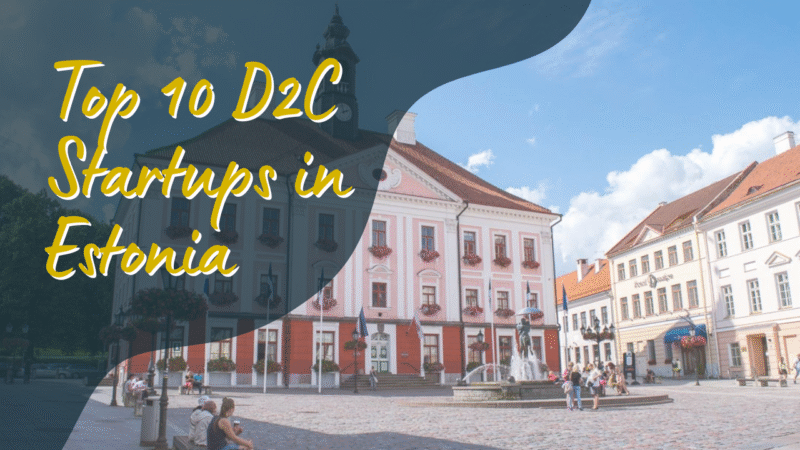
Estonia is renowned for its digital society, e-residency, and software sector that fosters unicorns. However, a new wave of founders is proving that the Estonian Mafia mindset, characterised by pragmatism, design thinking, and global ambition, applies just as well to physical products.
These are tech-enabled consumer brands that are disrupting global categories, from electric mobility to wellness architecture. By leveraging Estonia’s manufacturing roots and digital marketing prowess, these 10 startups are selling the Nordic-Baltic lifestyle directly to living rooms around the world.
1. Ampler Bikes
Founders Ardo Kaurit, Hannes Laar, and Rooni Ronimus launched Ampler Bikes with a simple mission: to make an electric bike that doesn’t look like one. By hiding the battery in the frame and removing the heavy, clunky displays typical of competitors, they created a sleek, lightweight commuter bike that became a hit in Germany and the Netherlands. Having raised significant equity crowdfunding and venture capital, Ampler controls its own assembly factory in Estonia, allowing it to maintain strict quality control while shipping directly to consumers across Europe, bypassing the traditional dealership markup.
2. Click & Grow
Mattias Lepp founded Click & Grow based on NASA-inspired technology to solve the problem of urban food production. Their Smart Gardens allow anyone to grow herbs, fruits, and vegetables indoors, regardless of light conditions or gardening skills. The system utilises biodegradable plant pods and automated watering to eliminate the friction associated with home farming. With millions of plant pods sold globally and a thriving subscription model for refills, Click & Grow has successfully exported the concept of sustainable, hyper-local food production to apartments from Tokyo to New York.
3. HUUM
The sauna is a sacred institution in Estonia, but HUUM founder Siim Nellis believed the technology was stuck in the past. He redesigned the electric sauna heater into an award-winning, drop-shaped sculpture that holds a massive amount of stones for better heat (“leil”). Crucially, he integrated it with a Wi-Fi-enabled mobile app, allowing users to heat their sauna from their office before driving home. This blend of ancient tradition and IoT convenience has made HUUM a global luxury brand, shipping thousands of connected heaters to design-conscious homeowners worldwide.
4. ÖÖD
Brothers Jaak and Andreas Tiik created ÖÖD originally for their own use, but their stunning Mirror Houses instantly went viral. These prefabricated micro-hotels are designed to blend seamlessly into their natural surroundings, reflecting the environment to become almost invisible. While they sell to hospitality businesses, they also have a strong direct-to-consumer arm, selling backyard offices and guest houses directly to consumers. By turning architecture into a product that can be ordered and installed in days, they have tapped into the global “glamping” and remote work boom, shipping their mirrored cabins as far as California and Iceland.
5. Äike
Kristjan Maruste, a veteran of the electric formula student scene and founder of Comodule, launched Äike to build the “world’s best electric scooter.” Unlike the disposable scooters flooding cities, Äike manufactures its scooters entirely in Europe using renewable energy and recyclable materials. They pioneered USB-C charging for vehicles, allowing users to charge their ride with a laptop charger. It is a premium, durable product designed for ownership, challenging the shared-mobility model with a focus on longevity, ride quality, and connectivity.
6. Roofit.solar
Andri Jagomägi founded Roofit.solar to solve the aesthetic problem of solar energy. Instead of bolting ugly blue panels onto a nice roof, they manufacture metal roofing materials with the solar cells integrated inside. The result is a sleek, black steel roof that generates electricity while resembling a traditional Nordic design. By selling directly to homeowners and installers, they have streamlined the complex process of retrofitting homes for net-zero. Their technology is rapidly gaining traction across Scandinavia and Germany, proving that green energy doesn’t have to compromise on curb appeal.
7. Nudist
Peenjoogivabrik Nudist (Nudist) disrupted the stuffy world of wine with a distinctly Estonian attitude. Founders Mihkel Männik and Kadi-Liis Lehtla took local ingredients like rhubarb and turned them into a sparkling wine, “Rabarbra,” that became a cultural phenomenon. Their branding is minimalist, bold, and unapologetically modern, bypassing traditional wine snobbery to speak directly to a younger demographic. Through clever social media marketing and a robust direct-to-consumer e-commerce operation, they demonstrated that a craft beverage brand could scale internationally without relying solely on supermarket distribution.
8. Boost Yourself
Teet Torim founded Boost Yourself on the island of Saaremaa, turning a local health obsession into a global wellness brand. They sell superfood blends such as collagen, berry powders, and detox mixes focused on specific health outcomes, including immunity and skin health. What sets them apart is the community-first approach they have built, resulting in a massive and loyal online following through challenges and educational content, before scaling into retail. Their agile D2C model enables them to rapidly test new formulations, keeping them ahead of broader wellness trends.
9. Kuma Design
Mari Ojasaar turned a small craft project into a recognised design export with Kuma Design. Famous for their Butterfly Brooches made from vegan leather, the brand sits at the intersection of nature-inspired art and sustainable fashion. Kuma has successfully leveraged the gifting market, creating products that are highly shippable and visually striking on Instagram. By focusing on a niche, high-margin accessory and executing it perfectly, they have built a sustainable D2C business that ships Estonian design to fashion capitals worldwide.
10. Bold Tuesday
Markus Marks and Kairi Kuuskor founded Bold Tuesday to rethink how we display travel memories. They create interactive maps and posters that allow travellers to peel, colour, or mark the places they have visited. Their minimalist, Scandinavian aesthetic sets them apart from the cluttered design of traditional maps. By targeting the global community of travellers and digital nomads through Instagram and Pinterest, they have turned a simple paper product into a premium lifestyle brand that resonates with anyone suffering from wanderlust.