


Scaling Micro-Hotels and Co-Living Spaces represents the most explosive shift in the European real estate market since the birth of the skyscraper. In the modern concrete jungle, space is the ultimate premium, and the traditional hotel model is simply too slow and too cumbersome to survive. A new breed of visionary founders is tearing up the old rules of hospitality and replacing them with a high-velocity digital framework. By focusing on hyper-efficient footprints and software-driven operations, these brands are expanding across capitals such as London, Paris, and Berlin with unstoppable momentum. This guide provides the definitive blueprint for anyone looking to master the art of high-density urban living. It explains how to turn a single property into a continent-wide empire.
Why Scaling Micro-Hotels and Co-Living Spaces is the New Gold Rush
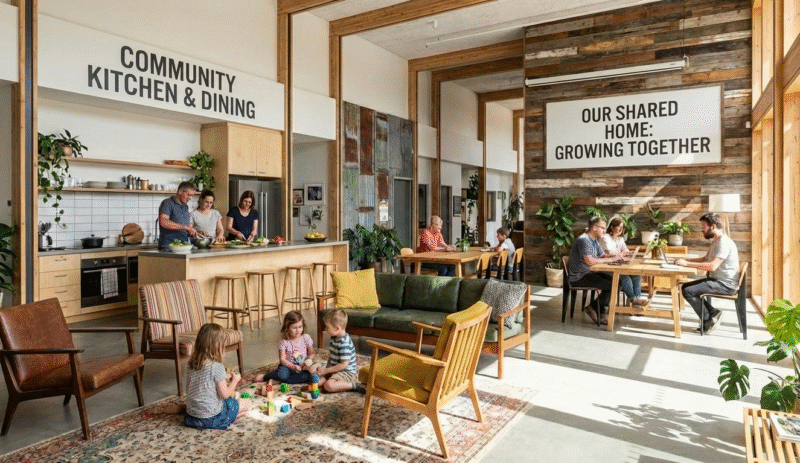
The primary motivation for Scaling Micro-Hotels and Co-Living Spaces is the radical mismatch between urban supply and the demands of the modern nomad. Today, a traveller wants the speed of a startup and the comfort of a home without the unnecessary fluff of a grand lobby or a bellboy. This shift in consumer psychology has created a massive opportunity for real estate arbitrage. By shrinking the private sleeping area and expanding the high-energy communal zones, developers can pack twice as many guests into the same building footprint. This directly doubles revenue per square meter, making these assets incredibly attractive to institutional investors seeking yield in a volatile market.
Financial efficiency is only part of the story. The need for operational agility drives the move toward Scaling Micro-Hotels and Co-Living Spaces. Traditional hospitality is a labour-intensive nightmare, but the micro model utilises a lean digital stack to handle the heavy lifting. This mirrors the high-energy strategies we explored in our manual on Green TravelTech Adoption Incentives, which aim to leverage state support to build more resilient businesses. When you remove the friction of the front desk and the baggage room, you free up capital to invest in premium materials and better locations. This ensures that the brand remains a leader in both quality and profitability.
How Scaling Micro-Hotels and Co-Living Spaces Utilises Digital Sovereignty
The technical implementation of this model involves a sophisticated layer of hardware and software working in perfect harmony. You cannot scale a hospitality brand today without a cloud native foundation. This is why many of the top players have abandoned legacy systems and adopted an API first philosophy that allows them to plug in innovations in real time.
Data orchestration is the silent engine of growth. By tracking every guest interaction through a central dashboard, managers can predict when a building will hit capacity or when a specific room needs maintenance. It ensures that the digital perimeter is fortified and the guest journey remains seamless from the first search to the final checkout. This commitment to a sovereign tech stack enables a brand to launch a new location in a different country in a matter of weeks rather than months.
Zoku and the Revolution of the Work Live Hybrid
Based in Amsterdam, Zoku serves as the ultimate case study for Scaling Micro-Hotels and Co-Living Spaces through hybrid design. Their Lofts are a masterclass in space optimisation, with the bed tucked away behind a wooden screen, and the living area dominated by a large kitchen table. This design recognises that the modern traveller is often working while on the move.
Zoku scales by identifying buildings in high-tech hubs and converting them into vibrant ecosystems. Their rooftop social spaces serve as the neighbourhood living room for locals and residents alike. This focus on the work-life hybrid has allowed them to expand into Copenhagen and Vienna with massive success. By providing an environment that supports the lifestyle of a remote executive, they have achieved some of the highest occupancy rates in the industry. Their success proves that if you design for the specific needs of the nomad, you can build a community that stays longer and pays more.
The Social Hub and the Power of Community Density
Formerly known as The Student Hotel, The Social Hub has mastered Scaling Micro-Hotels and Co-Living Spaces by mixing different types of guests in a single massive complex. They bring together students, tourists, digital nomads, and entrepreneurs under one roof. This creates a high-energy environment where a student might find their first employer in the coworking lounge.
The scaling strategy of The Social Hub involves taking over large industrial or educational buildings and turning them into 15-minute cities. They integrate everything from libraries and gyms to cinemas and nightclubs. This model de-risks the investment because the revenue is diversified across short-term stays, long-term leases, and membership fees. By engineering social collisions through their community managers, they have built a brand famous for its vibrant culture. This approach is the blueprint for the future of urban centres, where living, learning, and working all happen in the same place.
Numa and the Pure Play Digital Operational Model
The Berlin-based company Numa has taken Scaling Micro-Hotels and Co-Living Spaces to a new level of technical purity. They do not just manage rooms; they manage a software platform that operates buildings. Numaproperty,s ofte,nhase no staff on site at all. The entire guest journey from booking to digital room key is handled through their proprietary app.
This lean model allows Numa to take over smaller boutique buildings that traditional hotel chains find unprofitable. Their ability to automate the unsexy parts of the business—like revenue management and housekeeping scheduling—gives them a significant margin advantage. They have used this efficiency to acquire properties across Italy, Spain, and Germany aggressively. This focus on digital automation is a perfect example of the trends we see in our Future of Direct Booking guide, where the goal is to cut out the middleman and maximise profit through technology.
Habit and the Global Consolidation of Co-Living
Habyt is currently the global heavyweight in the co-living space and has achieved its scale through a series of massive acquisitions. They recognised early on that the co-living market was fragmented and they set out to become the dominant platform. By acquiring major players in Europe, Asia, and the US, they have created a network that covers thousands of rooms worldwide.
Their scaling logic is built on standardising the tenant experience. Whether a person is renting a room in Frankfurt or Singapore, they can expect the same high-quality furniture and easy lease terms. Habyt uses a centralised management platform to handle thousands of individual contracts with minimal overhead. This aggregation strategy allows them to negotiate better terms with landlords and provide a consistent product to the global workforce. Their journey is a powerful reminder that in the era of big data, the winner is often the one who can consolidate the most supply onto a single intelligent platform.
CitizenM and the Industrial Precision of Micro Luxury
We must return to CitizenM as the gold standard for Scaling Micro-Hotels and co-living spaces with an industrial mindset. They utilise modular construction, where entire rooms are built in a factory and shipped to the site, where they are stacked like shipping containers. This reduces construction time by nearly forty per cent and ensures that every room is identical in quality.
This manufacturing approach is paired with the incredible check-in technology we analysed in our CitizenM digital experience deep dive. By treating the hotel as a product that can be manufactured and programmed, they have been able to expand into the most expensive real estate markets in the world, such as New York, Paris, and London. Their success is a testament to the power of combining heavy engineering with innovative software. They have proved that you can provide a luxury experience in a micro footprint if you focus relentlessly on the details that matter to the modern citizen.
Conclusion
Scaling Micro-Hotels and Co-Living Spaces has transformed the urban landscape from a collection of rigid boxes into a fluid and intelligent network of living nodes, by understanding the how and why behind these changes—from the financial necessity of space optimisation to the implementation of cloud native stacks—founders can build more profitable and scalable enterprises. The work of brands like Zoku, Numa, and The Social Hub is proving that the future of hospitality belongs to those who can balance high-tech infrastructure with high-energy community building. As our cities continue to grow, the ability to pack more intelligence and more life into every square meter will remain the primary engine for progress in the real estate sector. The power to design the future of urban living is now in the hands of the algorithmic architects.