

The fashion and textile industry is under growing pressure to reduce waste and build more sustainable supply chains as millions of tonnes of discarded clothing continue to end up in landfills or incinerators each year. One of the biggest technical challenges has been recycling textiles made from mixed synthetic materials, particularly nylon, which has traditionally been difficult and expensive to recover at commercial scale. French deeptech company Syntetica is aiming to change that with a new recycling process designed to unlock valuable materials from complex textile waste, and the company has now secured significant funding to accelerate industrial deployment of its technology.
Syntetica has raised $30 million in a Series A funding round led by the Ecotechnologies 2 fund, managed by Bpifrance on behalf of the French government. The round also attracted participation from SWEN Capital Partners, lululemon, MAS Holdings, existing investor EQT Ventures, and several family offices, while public support was provided through Bpifrance and the European Innovation Council.
The investment will enable the company to scale its recycling technology, construct its first commercial demonstration facility, and accelerate the transition from laboratory innovation to industrial production.
Solving a Long Standing Recycling Challenge
Recovering valuable materials from post consumer textiles remains one of the most difficult challenges in the circular economy.
Many existing recycling technologies require different nylon materials to be separated before processing, making recycling expensive, labour intensive, and commercially difficult.
As a result, large volumes of mixed textile waste continue to be discarded despite containing valuable raw materials.
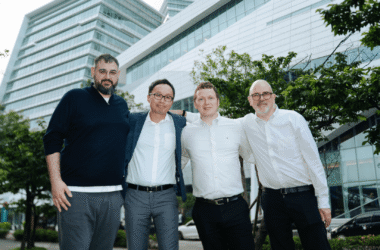
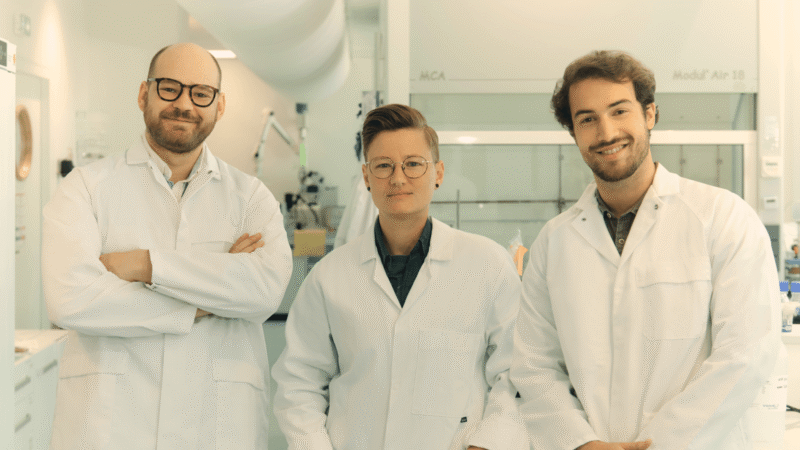
Founded by Marco Bertone and Louis Monsigny, Syntetica was established to overcome this technical barrier through a more efficient recycling process capable of handling complex waste streams.
The company believes improving textile recycling will play an important role in reducing waste while strengthening the supply of sustainable materials.
A Patented Recycling Process
At the centre of Syntetica’s innovation is a patented technology capable of recycling both Nylon 6 and Nylon 6,6 within a single process.
By eliminating the need to separate different nylon types before recycling, the company significantly simplifies material recovery from discarded textiles.
This capability enables valuable synthetic fibres to be recovered from waste streams that have historically been considered too difficult or uneconomical to recycle.
Unlike many traditional recycling methods that focus primarily on clean manufacturing scraps, Syntetica’s platform is specifically designed for post consumer textile waste, which represents the largest source of discarded clothing and fabrics.
The technology therefore addresses a much broader sustainability challenge facing the global textile industry.
Collaborating With Global Brands
Syntetica has already established partnerships with several well known apparel companies as interest in circular materials continues to increase.
The company is working with brands including Victoria’s Secret and Etam while expanding relationships with additional international fashion businesses.
These collaborations provide opportunities to validate the technology in real commercial supply chains and support the adoption of recycled materials across the textile sector.
Growing demand from global brands reflects increasing commitments to reduce environmental impact and incorporate more recycled content into future product collections.
Moving From Laboratory to Industrial Production
The newly secured funding will support the construction of Syntetica’s first commercial demonstration facility in France.
The plant will be developed in partnership with Michelin’s Centre for Sustainable Materials in Clermont Ferrand.
Once operational, the facility will represent an important milestone by transitioning the company’s technology from laboratory scale research to industrial manufacturing.
The demonstration plant will have the capacity to process hundreds of tonnes of textile waste each year, providing valuable operational experience while preparing the company for larger commercial deployments.
Expanding Beyond Textiles
While nylon recycling remains the company’s immediate priority, Syntetica is already looking beyond its initial market.
The company plans to expand its technology platform into additional materials and applications serving industries such as automotive, speciality chemicals, and other advanced manufacturing sectors.
By broadening its material capabilities, Syntetica aims to strengthen circular supply chains across multiple industries while reducing dependence on virgin raw materials.
As governments, manufacturers, and consumers increasingly prioritise sustainable production, the demand for advanced recycling technologies continues to grow. With fresh funding, industrial partnerships, and a patented process capable of addressing one of recycling’s most persistent challenges, Syntetica is positioning itself as a key innovator in the transition toward a more circular and resource efficient materials economy.