

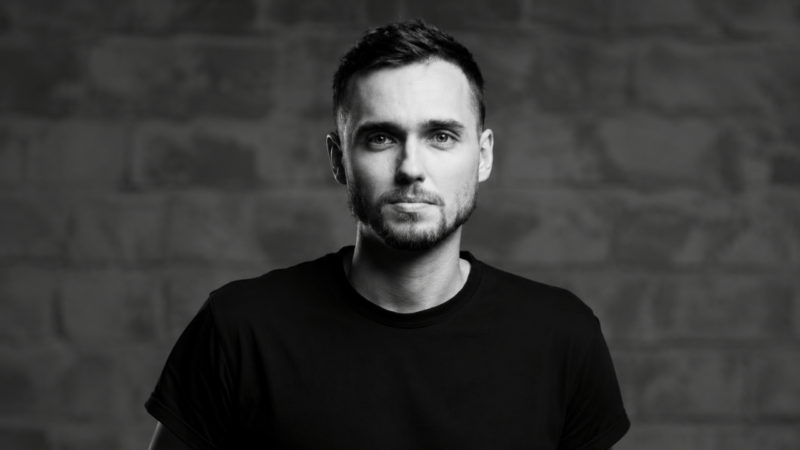
Venture capital due diligence is often a race against time, with investors digging through pitch decks, financial records, legal documents and market data before deciding whether a startup deserves funding. Now, Ukrainian venture capital investor Vlad Tislenko is trying to automate much of that groundwork with Startup Due Dil, a new AI powered platform designed to turn a lengthy research process into a structured assessment in about 10 minutes.
From VC Tool to Standalone Platform
Tislenko, a partner at Ukrainian technology investment firm SMRK VC, originally built Startup Due Dil as an internal tool to support his own investment analysis. The system cost less than €1,000 to develop and was created partly to help him better understand rapidly advancing AI technology and its potential applications in investment.
The platform has now been launched as a web application for venture capital and private equity investors evaluating technology companies, particularly at the early stages.
Traditional startup due diligence can require several hours or even days of research. Investors need to verify claims made by founders, investigate competitors, assess markets and examine financial, legal and ownership information. Startup Due Dil aims to automate the information gathering and verification involved in this process without removing the investor from the final decision.
Ten AI Agents Work Together
At the heart of the platform is a multi agent architecture consisting of 10 AI agents.
Nine specialist agents focus on individual areas of diligence. These cover founders and the management team, market opportunity, competitors, technology and product, traction and financial performance, business model, regulatory compliance, ownership and cap table information, and legal considerations.
A tenth agent, called Oracle, coordinates the entire process. It determines how the analysis should be conducted, gives the specialist agents relevant context and evaluates whether their work is sufficiently complete.
If Oracle identifies gaps or inadequate analysis, it can send an agent back to conduct additional research before incorporating the findings into the final report.
Users can start by uploading a startup pitch deck. They can also provide financial statements, legal documents, cap tables, written comments and relevant links for a deeper assessment.
Turning Claims Into Evidence
One of Startup Due Dil’s key functions is comparing information supplied by startups with publicly available sources. This is intended to help investors identify claims that cannot be independently verified or that appear inconsistent with external information.
The resulting report includes source citations and organises findings into red, yellow and green flags. Red flags highlight potentially material risks or inconsistencies, while yellow flags identify areas requiring further clarification. Green flags indicate positive signals that have been supported by the available evidence.
Tislenko said the system has already revealed a recurring issue in startup fundraising: founders can overestimate the size of their addressable markets, with some claims proving difficult for the platform to verify.
AI Speed With Human Oversight
Despite its automation, Startup Due Dil is not designed to make investment decisions independently. Tislenko acknowledges that AI systems can produce incorrect information and says the platform is continually refined based on feedback from investors and the SMRK team.
The human role remains particularly important when evaluating relationships, references and the credibility of founders. Investors may still need to speak with people who have worked with a prospective investee and discuss significant findings directly with entrepreneurs.
Privacy Remains a Key Challenge
Because due diligence involves sensitive financial, legal, ownership and fundraising information, data security is another important consideration.
Startup Due Dil says its developers do not have access to customer files or reports, while private workspace content is excluded from administrative dashboards. The platform temporarily processes information through third party AI providers to generate its reports.
The company says its architecture is designed to prevent customer materials from being used to train AI models.
Building a Faster Investment Workflow
Startup Due Dil is currently being used in SMRK’s investment process and is also being tested by other investors. Startups can use the platform themselves for a one off assessment before approaching investors, allowing founders to identify potential weaknesses in their pitch decks and data rooms.
As AI becomes increasingly embedded in investment research, Tislenko believes the technology could eventually influence how startups prepare fundraising materials from the outset. Yet despite the automation, he maintains that investing will ultimately remain a people focused business, with technology serving as a tool for better informed decisions rather than a replacement for human judgement.