

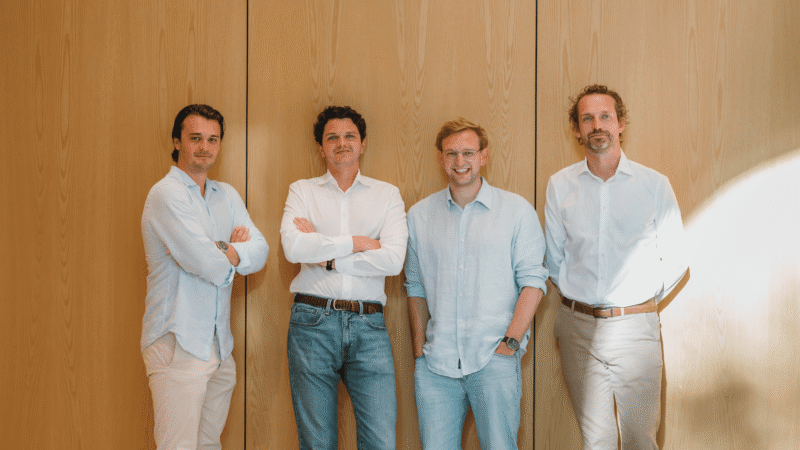
Artificial intelligence is rapidly transforming drug discovery, but one of the biggest challenges remains ensuring that AI models learn from data that accurately reflects how diseases behave in real patients. Many conventional AI platforms rely heavily on public datasets or laboratory generated information that may not fully capture the complexity of human biology, limiting the ability to predict which drug candidates will succeed in clinical development. Belgian techbio startup Sightera Biosciences is taking a different approach by building its artificial intelligence platform around proprietary patient derived biological data. The company has now secured new funding to accelerate the development of its AI powered drug discovery platform and expand its therapeutic pipeline.
Sightera Biosciences has raised €3 million in a pre seed funding round led by Entourage, Anacura, and QBIC.
The investment will support further development of the company’s artificial intelligence platform, strengthen its research capabilities, and accelerate progress across its oncology and fibrosis programmes.
Building an AI Native Drug Discovery Platform
Sightera Biosciences is a spin off from the University of Antwerp and Antwerp University Hospital.
The company focuses on discovering novel small molecule therapies using a fully AI native drug discovery platform.
Its research initially targets oncology and fibrosis, two therapeutic areas where significant unmet medical needs remain despite years of pharmaceutical innovation.
Rather than relying primarily on conventional screening approaches, Sightera combines advanced artificial intelligence with patient derived biological data to guide every stage of molecular design.
The company believes this strategy can improve both the speed and accuracy of early drug discovery.
Learning Directly From Human Biology
A key feature that distinguishes Sightera from many AI drug discovery companies is the source of its training data.
Instead of depending mainly on publicly available datasets, the company generates proprietary biological information using patient derived samples collected from individuals living with advanced and therapy resistant disease.
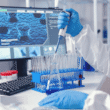
These biological samples are transformed into sophisticated preclinical models, including organoids that closely replicate human disease behaviour.
Researchers then generate extensive drug response datasets by studying how these patient derived systems respond to different therapeutic approaches.
This information provides the foundation upon which the company’s artificial intelligence models are trained.
Designing Better Drug Candidates
Sightera’s platform uses these proprietary datasets to design small molecule therapies based on observed biological responses rather than focusing solely on chemical characteristics.
By placing human disease biology at the centre of the discovery process, the company aims to identify drug candidates with a greater likelihood of succeeding during later stages of development.
This biology first approach enables artificial intelligence to better understand how complex diseases respond to treatment while supporting more informed molecular design decisions.
The company believes integrating real patient biology into AI driven discovery can significantly improve translational success compared with traditional approaches.
Advancing Oncology and Fibrosis Programmes
The newly secured funding will help expand Sightera’s research platform while accelerating the development of its internal therapeutic pipeline.
Particular attention will be given to advancing the company’s lead molecular glue oncology programme toward preclinical candidate selection.
Molecular glue therapies represent an emerging class of medicines designed to promote interactions between proteins that would not normally occur, creating new opportunities for targeting diseases that have historically been difficult to treat.
Alongside oncology, the company will continue developing programmes addressing fibrosis, another area with substantial unmet clinical need.
Expanding Partnerships and Scientific Expertise
Beyond scientific development, Sightera plans to strengthen collaborations with pharmaceutical and biotechnology companies seeking innovative approaches to drug discovery.
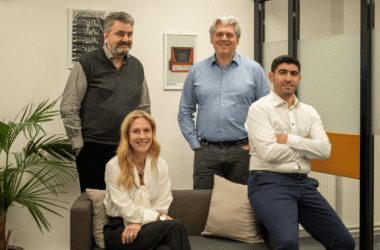
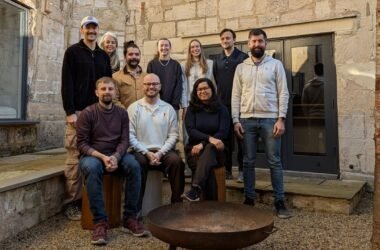
The company will also continue expanding its multidisciplinary team by recruiting additional researchers, artificial intelligence specialists, and data scientists.
These investments are intended to accelerate platform development while supporting future therapeutic programmes across multiple disease areas.
As artificial intelligence becomes increasingly integrated into pharmaceutical research, companies capable of combining advanced machine learning with high quality biological data are expected to play a growing role in the development of next generation medicines. With fresh funding, proprietary patient derived datasets, and a biology first approach to molecular discovery, Sightera Biosciences is positioning itself to help reshape how innovative therapies are designed for some of medicine’s most challenging diseases.