


Biologic medicines have transformed the treatment of cancer, autoimmune disorders, and many rare diseases, but developing these therapies remains a complex and expensive process. One of the biggest challenges facing pharmaceutical companies is predicting how the human immune system will respond to new biologic drugs before they enter clinical trials. Unexpected immune reactions can reduce treatment effectiveness, trigger adverse side effects, and contribute to costly late stage development failures. Swiss biotechnology startup ALP Bio is working to address this challenge by combining human immune tissue models with artificial intelligence, and the company has now secured new funding to accelerate the commercial rollout of its technology.
ALP Bio has received €161,000 through Venture Kick to support the commercial development of its immunogenicity prediction platform.
The funding will help the company launch pilot collaborations with pharmaceutical partners while further validating its technology in real world drug development programmes.
Improving Early Drug Safety Assessment
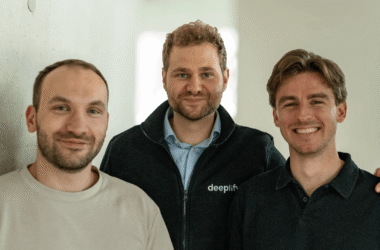
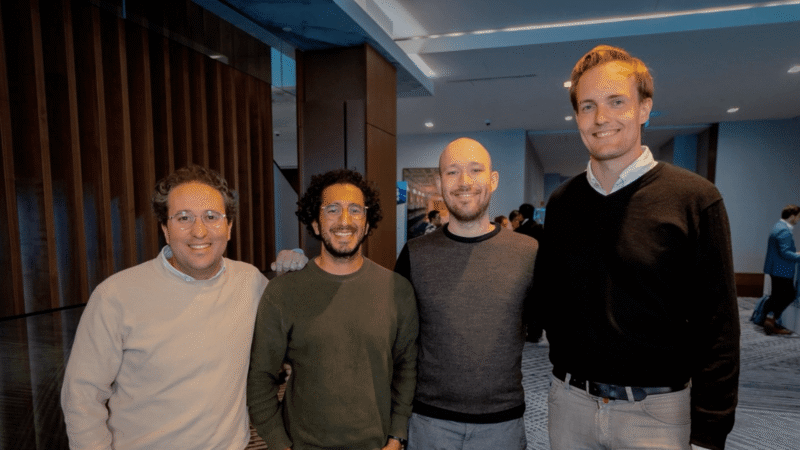
Founded by Dr Christian Vahlensiek, Dr Lucas Schaus, Anatol Ehrlich, and Punit Mehra, ALP Bio develops technology that helps pharmaceutical companies identify immune related risks earlier during biologic drug development.
Many therapeutic antibodies and other biologic medicines have the potential to trigger unwanted immune responses after administration.
These reactions can affect treatment performance while creating significant clinical and commercial challenges for drug developers.
ALP Bio aims to provide earlier and more accurate insights that enable researchers to reduce these risks before expensive clinical studies begin.
Combining Human Biology and Artificial Intelligence
The company’s platform combines laboratory based human immune tissue models with advanced artificial intelligence driven protein modelling.
Using human tonsil derived immune models, the technology evaluates how the immune system is likely to respond to therapeutic antibodies and other biologic drug candidates.
Artificial intelligence then analyses these biological interactions to predict potential immunogenicity risks.
This integrated approach enables researchers to better understand immune responses using models that more closely reflect human biology than many traditional laboratory methods.
The company believes these insights can support safer and more effective biologic medicine design.
Supporting Better Drug Development
Current methods for assessing immunogenicity often provide limited predictive capability during early development.
As a result, potential safety issues may only become apparent during expensive clinical trials.
ALP Bio’s platform seeks to identify these challenges much earlier, enabling pharmaceutical companies to modify drug candidates before entering later stages of development.
By improving confidence during preclinical research, the company hopes to increase the probability of clinical success while reducing development costs.
Earlier risk identification may also accelerate the delivery of innovative therapies to patients.
Built by an Interdisciplinary Team
ALP Bio combines expertise across immunology, artificial intelligence, protein engineering, and commercial strategy.
Its multidisciplinary founding team has developed the platform to bridge advanced biological research with practical pharmaceutical development requirements.
The company believes combining experimental science with computational modelling provides a more comprehensive understanding of immune responses than either approach alone.
This integrated strategy positions the platform to support both scientific discovery and commercial drug development.
Preparing for Commercial Adoption
The Venture Kick funding will support ALP Bio’s first pilot projects with pharmaceutical industry partners.
These early collaborations will enable the company to demonstrate the platform’s capabilities within real drug development programmes while strengthening customer relationships.
Successful pilot deployments are expected to support wider commercial adoption as pharmaceutical companies continue seeking technologies that improve research efficiency and reduce clinical risk.
As biologic medicines become an increasingly important part of modern healthcare, demand for predictive technologies capable of improving development success continues to grow. By combining human immune models with artificial intelligence powered analysis, ALP Bio aims to help pharmaceutical companies design safer therapies, reduce costly clinical failures, and improve the future of biologic drug development.