


For hundreds of millions of people across East Asia, drinking alcohol is not simply a social choice but a biological challenge shaped by genetics. A common genetic variant known as ALDH2 deficiency prevents the body from efficiently breaking down alcohol, often causing facial flushing, nausea, rapid heartbeat, and discomfort after even small amounts of alcohol consumption. Beyond physical symptoms, the condition can also create social and professional barriers in cultures where drinking is closely connected to business networking, celebrations, and family gatherings. Danish biotech startup Alcolase is developing a scientific solution aimed at addressing that problem, and investors are backing the company with fresh funding.
The company has raised €1.5 million in investment from Ada Ventures, Delphinus Venture Capital, Antler, Manigoff Invest, and a group of business angels.
Developing an Enzyme Based Alcohol Solution
Alcolase is developing an enzyme driven technology designed to break down alcohol inside the stomach before it enters the bloodstream. The startup’s technology specifically targets people living with ALDH2 deficiency, a condition estimated to affect approximately 540 million individuals in East Asia.
The company believes biotechnology can help create healthier alternatives for people who are physiologically unable to process alcohol effectively. Rather than encouraging higher alcohol consumption, the startup says its goal is to reduce the social and physical exclusion experienced by individuals with alcohol intolerance.
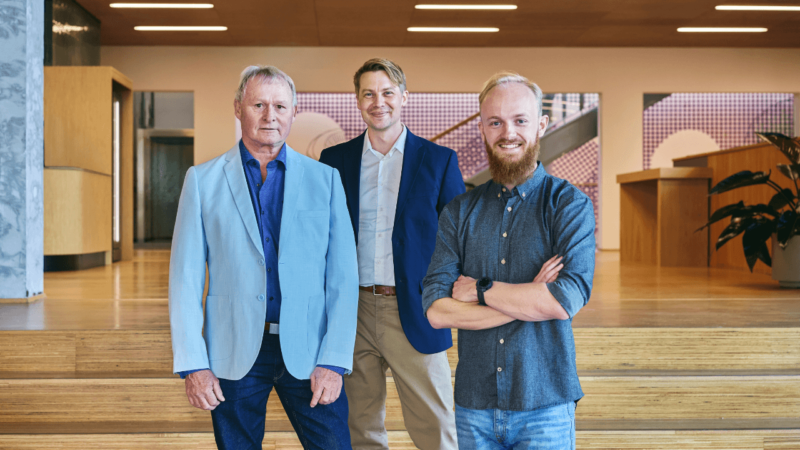
The idea for Alcolase originated during the coronavirus pandemic when Mikkel Precht and his co founders began exploring ways biotechnology could solve everyday health related problems. After researching multiple global health challenges, the team repeatedly returned to the issue of alcohol intolerance and its wider social implications.
Addressing a Social and Health Challenge
According to Mikkel Precht, speaking with people living with alcohol intolerance revealed that the issue extends beyond simple discomfort after drinking. In many professional and social environments where alcohol plays a central cultural role, people with ALDH2 deficiency often feel excluded from networking events, business dinners, and family occasions.
Precht explained that the company’s ambition is not centred on encouraging people to drink more alcohol but rather on giving individuals more freedom of choice in situations where they are currently limited by genetics.
He added that the broader motivation behind Alcolase is the belief that biotechnology should not only address major diseases but also improve problems affecting people’s everyday quality of life.
Protecting Enzymes Inside the Stomach
One of the company’s key technological developments involves protecting enzymes from stomach acid so they remain active long enough to break down alcohol effectively. To achieve this, Alcolase has developed a delivery system based on encapsulating enzymes inside liposomes, microscopic structures designed to shield sensitive biological materials in harsh stomach conditions.
The startup believes this encapsulation technology could potentially support broader therapeutic applications in the future beyond alcohol related use cases.
To further develop its delivery platform for therapeutic opportunities, Alcolase has established a UK subsidiary as part of its expansion strategy into the British life sciences ecosystem. Ada Ventures is supporting the company’s UK growth efforts, while Alasdair Thong will join the company’s board during its next development phase.
Expansion Plans Across Asia
Alcolase plans to initially launch in Singapore before expanding into South Korea, where alcohol intolerance linked to ALDH2 deficiency is particularly widespread.
The newly secured funding will support several important milestones for the company, including in vivo studies, further technology development, strengthening intellectual property protections, and early commercial partnership efforts in key Asian markets.
Michael Wiatr Aagaard said the founding team possesses the scientific expertise and ambition needed to address a major global health and social challenge. He added that the funding reflects investor confidence in Alcolase’s ability to scale its biotechnology platform internationally.
As biotechnology increasingly expands into consumer health and preventative wellness applications, Alcolase is positioning itself at the intersection of genetic health, social wellbeing, and innovative enzyme based therapeutics.