

As the aviation industry faces mounting pressure to reduce emissions and transition toward sustainable alternatives, innovative fuel technologies are gaining urgency. Switzerland based Metafuels is advancing this transition with fresh support, securing €1.92 million in grant funding to accelerate the development of its synthetic sustainable aviation fuel project in the Netherlands.
Strategic Grant for Industrial Scale Development
The funding has been awarded to Metafuels Nederland B.V. by the Netherlands Enterprise Agency under the TSE Industry Studies Hydrogen and Green Chemistry programme known as GroenvermogenNL.
This grant will support critical early stage activities for the company’s Turbe project, including front end engineering and design, permitting processes, and commercial planning. These steps are essential in preparing the project for a final investment decision and eventual large scale deployment.
Building a Flagship Facility in Rotterdam
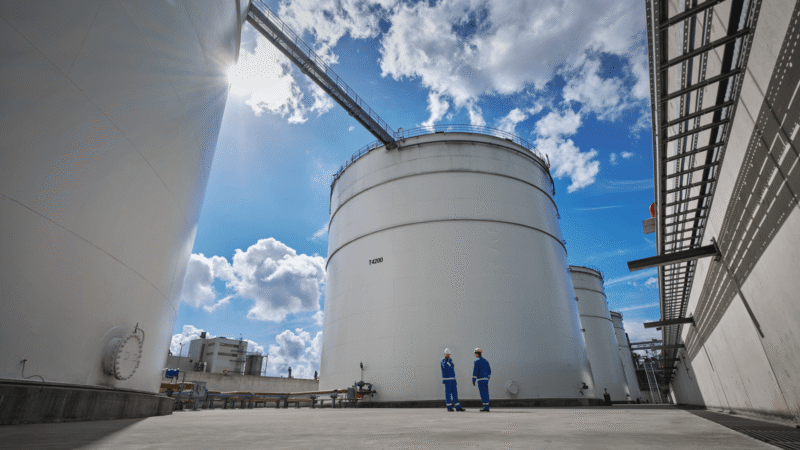
The Turbe project is planned to be developed at the Port of Rotterdam, one of Europe’s largest and most strategically important industrial hubs. Specifically, the facility will be located at the Evos terminal within the port.
Rotterdam offers a unique combination of infrastructure, logistics networks, and industrial expertise, making it an ideal location for scaling up synthetic fuel production. The site will serve as the first commercial deployment of Metafuels’ proprietary technology, marking a significant milestone in the company’s growth.
Introducing Methanol to Jet Technology
At the core of the project is Metafuels’ aerobrew technology, a proprietary process that converts renewable methanol into jet fuel. This synthetic fuel is designed to be a drop in solution, meaning it can be used with existing aircraft and fuel infrastructure without requiring major modifications.
Compared to traditional sustainable aviation fuel pathways, the methanol to jet approach offers greater scalability. When powered by renewable inputs, it can significantly reduce lifecycle emissions, making it a promising solution for decarbonising aviation.
The ability to produce fuel at scale while maintaining compatibility with current systems addresses one of the key challenges in transitioning the aviation sector toward sustainability.
Aligning with European Climate Goals
The Turbe project is designed to align with emerging regulatory frameworks such as ReFuelEU Aviation, which aims to increase the use of sustainable aviation fuels across Europe.
Production at the facility is targeted to begin around 2030, positioning Metafuels to meet future demand driven by regulatory requirements and industry commitments to reduce carbon emissions.
By establishing a scalable model for synthetic fuel production, the project is intended to serve as a blueprint for future facilities across Europe and beyond.
Advancing Toward Final Investment Decision
The grant funding will play a crucial role in advancing the project toward its final investment decision. Activities such as engineering design, regulatory approvals, and commercial structuring are necessary to ensure the project’s viability and readiness for large scale implementation.
These preparatory steps will help reduce risks and provide a clear roadmap for construction and operation once the project moves into its next phase.
Driving the Future of Sustainable Aviation
Metafuels’ approach reflects a broader shift within the aviation industry toward innovative fuel solutions that can deliver both environmental and operational benefits. By leveraging renewable inputs and advanced chemical processes, the company aims to provide a sustainable alternative that integrates seamlessly with existing systems.
As airlines and regulators intensify efforts to cut emissions, scalable solutions like synthetic aviation fuel will play a critical role in achieving climate targets. With strong support and a clear development path, Metafuels is positioning itself as a key contributor to the future of sustainable air travel.
The Turbe project represents not just a single facility but a step toward building a new energy infrastructure for aviation, one that balances performance, scalability, and environmental responsibility.