
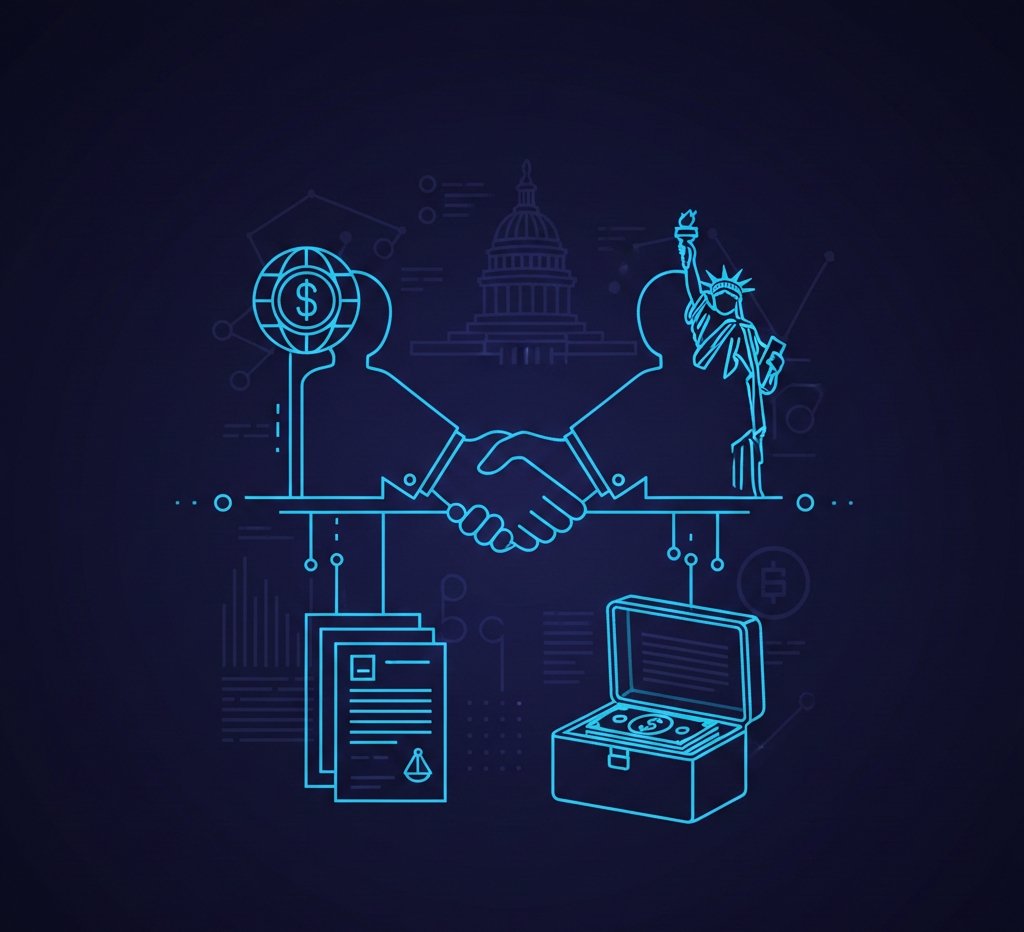
Why Startups Worldwide Are Turning to US Capital
Over the past few years, an unmistakable shift has taken place in global tech funding. Startups from Asia, Europe, the Middle East, and Africa are increasingly setting their sights on US investors, not only for the size of the capital pool but for the culture of boldness and ambition that defines the American venture ecosystem. A US backer doesn’t just bring money; they bring a certain legitimacy, a stamp that often accelerates a company’s credibility across other markets.
But for all the excitement that surrounds landing a US investor, the legal journey behind the deal is far more complex than many founders expect. Cross-border fundraising is not simply a matter of signing a term sheet and shaking hands over Zoom. It’s a structured, meticulous process one that can feel daunting if a startup is unfamiliar with the expectations and legal rigor of US venture capital.
The Legal Expectations That Often Surprise Founders
If there’s one thing US investors consistently demand, it’s clarity. They want to see clean documentation, organised structures, and governance that reflects long-term thinking. Even early-stage companies are expected to maintain well-defined cap tables, standardised financial statements, and legally sound IP ownership.
For founders who have grown in ecosystems where informal agreements and handshake deals remain common, this can be a rude awakening. Suddenly, everything needs to be documented from the earliest founder arrangements to the smallest contractor agreements. US investors follow a strict compliance culture because they’re accountable not only to regulators, but often to their own limited partners. This is usually the first moment when an international founder realises that raising American capital demands a different kind of discipline.
Due Diligence: The Part Everyone Underestimates
The due-diligence phase is where the real work begins. US investors are known for digging deep, and they don’t limit their scrutiny to the financial side of the business. They look at how employee contracts are structured, whether the company’s data practices align with local privacy laws, how customer agreements are worded, and whether intellectual property is properly assigned to the company rather than to individual founders or freelancers.
This process may feel intense, even invasive at times, but it’s not designed to catch founders off-guard. It’s simply how US investors protect themselves and ensure that the company they’re backing has solid legal foundations. Many founders who prepare early often with cross-border legal counsel find that this phase becomes significantly smoother.
Structuring the Deal: Where Things Get Technical
Once due diligence is underway, the next big conversation revolves around how the deal will be structured. Many foreign startups end up adopting US-friendly legal vehicles such as a Delaware C-Corp or signing the round under US-style documents like SAFEs or NVCA-based agreements. These structures aren’t used for show; they exist because they make the investment legally workable for American funds. But these decisions come with serious implications dual tax responsibilities, added compliance filings, and the need to maintain legal alignment across multiple jurisdictions. This is often the point where founders realise they are no longer running a purely local company; they’re stepping into a global framework.
US investors also bring term-sheet clauses that may feel unfamiliar or unusually strict: liquidation preferences, board rights, protective provisions, and detailed information rights. While these terms are standard in the US, they can reshape how the company is governed in the long run. Understanding them deeply becomes essential.
The Regulatory Layer Nobody Talks About Enough
In recent years, regulatory oversight has quietly become a larger part of cross-border deals. Startups working in sensitive areas like AI, fintech infrastructure, cybersecurity, biotech may fall under the radar of agencies like CFIUS. While not all companies attract attention, even the possibility can introduce delays or additional filings.Then there’s the ongoing clash of data laws. A company operating under GDPR or India’s DPDP Act must ensure that any expectations from US investors don’t accidentally violate local rules on data transfers or storage. These issues rarely make it into pitch decks, but they can slow a deal far more than a valuation disagreement.
Closing the Deal: Where the Legal Meets the Personal
Despite all the legal machinery behind a cross-border investment, deals still hinge on trust. How founders communicate during the process, how transparent they are, how quickly they respond, and how well they understand their own company often leaves a stronger impression than any clause in the agreement. When both sides finally align on structure, compliance, and long-term expectations, the closing becomes more than a formality. It marks the beginning of a partnership that stretches far beyond borders, time zones, and regulatory systems.
The Bigger Picture: Legal Readiness Is Now a Growth Strategy
As global fundraising becomes more competitive, legal readiness has quietly become a core differentiator. Startups that invest early in proper documentation and governance stand out immediately to US investors. They move faster, negotiate cleaner terms, and often secure stronger valuations. In essence, the legal side of cross-border funding isn’t a hurdle, it’s a gateway. Mastering it doesn’t just close a deal; it positions a startup to operate confidently on the global stage, with the structure and credibility to scale far beyond its home market.
If done right, a US investment becomes more than capital; it becomes a defining chapter in a startup’s journey into the international arena.