
Artificial intelligence can help developers create new medical technologies in weeks, but getting those products approved for use can take many months. London based startup Scarlet is tackling this gap by redesigning how software and AI medical devices are assessed, certified and monitored. The company has raised $50 million in Series B funding to expand internationally and help healthcare innovators bring safe, effective technologies to patients more quickly.
The funding round was led by Headline, with participation from new investor Notion Capital and existing backers Atomico, Creandum, Kindred Capital and Entrepreneurs First. Nancy Xiao McLaughlin, a partner at Headline, will join Scarlet’s board.
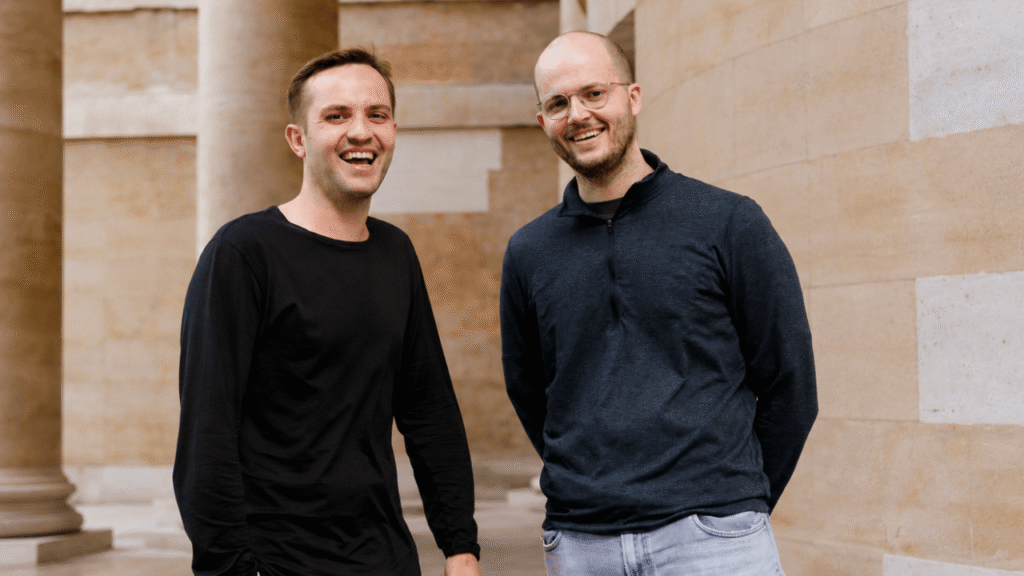
Founded in 2021 by James Dewar and Jamie Cox, Scarlet focuses on certification for software and AI powered medical devices, an area where product development is advancing rapidly and regulatory assessment must keep pace.
Addressing the Certification Bottleneck
Medical devices that use artificial intelligence can require extensive regulatory assessment before reaching the market. Developers must demonstrate that their products meet relevant safety, performance and quality requirements, while updates to existing products may also require further review.
Scarlet says conventional assessment processes can take 12 to 18 months, with additional delays for relatively minor product changes. Such timelines can make it difficult for developers to improve AI systems as new data, research and technical capabilities become available.
The company aims to shorten this gap without removing the rigorous checks required for medical technologies. Its model combines an AI enabled platform with qualified human reviewers who assess documentation and make certification decisions.
An AI Native Approach to Regulation
Scarlet allows medical technology companies to submit technical documentation in different formats through its platform. The system supports the review process by organising information and helping assess submissions against applicable regulatory requirements.
Qualified experts remain responsible for evaluating the evidence and deciding whether a product meets the standards necessary for certification. The company also emphasises traceability, with assessments designed to document the reasoning behind findings and decisions.
Scarlet says its approach makes reviews more consistent and gives regulators visibility into how certification decisions were reached. Rather than treating certification as a one time administrative hurdle, the company provides ongoing surveillance, annual audits and assessment of product changes through a subscription model.
Serving a Growing Medical AI Market
Scarlet works with companies developing technologies across healthcare, including AI powered diagnostics, medical imaging, digital health and clinical documentation. Its customers include Flo Health, radiology technology provider DeepHealth, Skin Analytics, and AI medical scribe companies Heidi Health and Tandem.
For companies developing AI systems, certification is not simply about demonstrating that a product works at one point in time. Developers must also establish appropriate quality management, document product changes and monitor performance throughout the product’s lifecycle.
Scarlet’s subscription model is designed to support these continuing requirements through annual audits, ongoing surveillance and reviews of relevant changes.
From London to Global Markets
Scarlet was founded by Dewar and Cox after their experience building AI medical devices at Babylon Health. The founders identified a gap between the speed of software development and the time required for regulatory assessment.
The company spent its first three years working towards regulatory designation before issuing certificates, establishing the regulatory infrastructure required for its business.
The new $50 million investment will support expansion into the United States and Asia Pacific, alongside recruitment of specialist reviewers and engineers and the development of additional certification services.
Headline partner Nancy Xiao McLaughlin said Scarlet combines speed with consistency and rigorous assessment, making it an important potential enabler for medical technology companies.
Making Regulation Work With Innovation
Scarlet’s ambition is to make certification compatible with the iterative nature of AI development while preserving the independent scrutiny required for medical devices.
As developers increasingly use large language models and computer vision in healthcare products, certification providers face the challenge of assessing systems that can evolve rapidly and introduce new technical and clinical risks.
Scarlet is betting that a specialist, technology enabled approach can help address that challenge. With fresh capital and plans for international expansion, the company aims to make its certification infrastructure available to more developers, helping promising medical technologies reach patients without avoidable delays.