
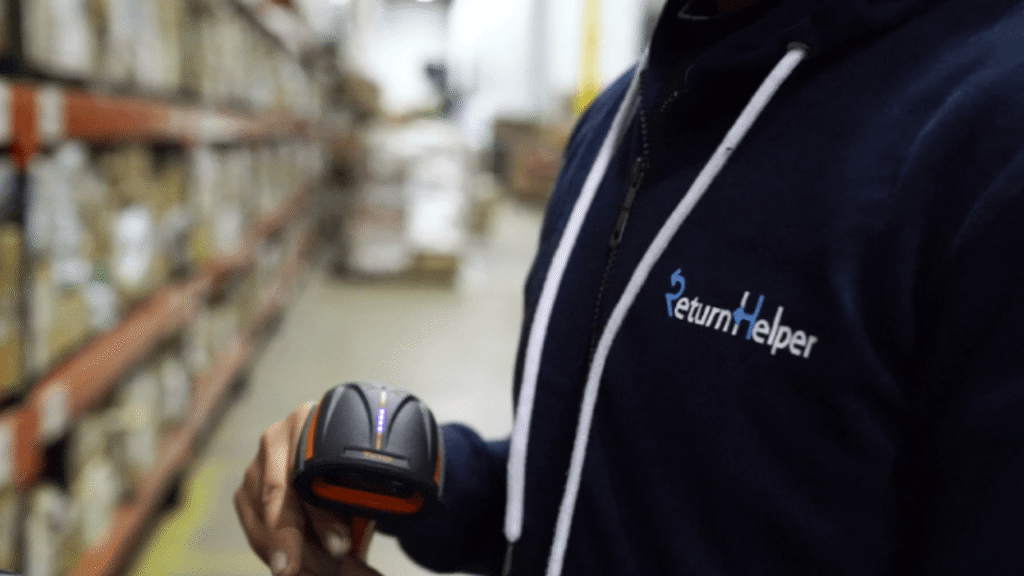
For global ecommerce businesses, the customer journey does not end when a product is delivered. In many cases, the most expensive and operationally complex part begins when a customer decides to return an item. Cross border returns have long been one of the industry’s biggest challenges, involving fragmented logistics networks, multiple carriers, customs requirements, warehouse coordination, and costly processing workflows. These inefficiencies often turn returned merchandise into a financial burden for merchants. Return Helper is building technology designed to change that equation, helping businesses recover value from returns while improving operational efficiency across international markets.
The company has secured $4 million in Series A funding to accelerate its global growth strategy and expand its technology platform.
The round attracted a combination of strategic and financial investors, including new backers Cathay Venture, MLC Ventures, and Jun Yue Investment, alongside returning investor Colopl Next.
The new capital will support international expansion, AI development, and growth of the company’s recommerce business.
Solving a Major Ecommerce Challenge
Return Helper focuses on one of the most overlooked aspects of online retail: reverse logistics.
The company provides technology and infrastructure that help merchants manage international returns more efficiently while reducing losses associated with returned inventory.
Its mission is to solve cross border returns challenges and transform what has traditionally been a cost centre into a source of value creation.
To achieve this, Return Helper develops all of its technology internally, creating an integrated ecosystem that connects returns management, warehouse operations, and logistics services.
Building a Technology Driven Returns Platform
The company offers a SaaS returns management platform that includes dedicated merchant and buyer portals designed to simplify returns workflows.
It also operates a proprietary warehouse management system supported by mobile applications that streamline operational processes across its fulfilment network.
In addition, Return Helper provides FlexForward, a logistics service covering international shipping and warehouse fulfilment.
This combination allows merchants to manage the entire lifecycle of returned products through a unified platform.
According to Roy Wan, many ecommerce losses occur after a return has been initiated.
The company is using artificial intelligence to identify inefficiencies, standardise processes, and optimise operations across complex international supply chains.
AI Driving Growth and Profitability
Artificial intelligence has become a central component of Return Helper’s strategy.
The company says AI has helped improve operational efficiency, reduce processing times, and enhance service quality across its global network.
These improvements contributed to a significant milestone in 2025, when Return Helper achieved more than 60 percent year over year revenue growth and reached profitability during the second half of the year.
The company currently operates more than 20 overseas warehouses and collaborates with over 30 logistics and carrier partners worldwide.
Its customer ecosystem includes merchants operating across platforms such as Shopify, Amazon, TikTok, and eBay.
Europe Emerging as a Key Growth Market
Europe has become one of the company’s fastest growing regions.
Following strong momentum during 2024, Return Helper reported European revenue growth of 215 percent in 2025, exceeding internal expectations.
That momentum has continued into 2026, with first quarter performance putting the company on track for another year of triple digit growth.
The company now supports nearly 100 merchant partners across Europe who use its platform to manage cross border returns operations.
Expanding the Future of Recommerce
A major focus of the new funding will be the expansion of Return Helper’s recommerce capabilities.
Rather than treating returned products as losses, the company aims to help merchants recover value through resale, redistribution, and more efficient inventory management.
Alongside international expansion and new AI powered operational agents, this strategy reflects a broader shift within ecommerce toward maximising the lifetime value of products.
As global online retail continues to grow, Return Helper is positioning itself as a critical infrastructure provider helping merchants turn one of ecommerce’s biggest operational headaches into a competitive advantage.