
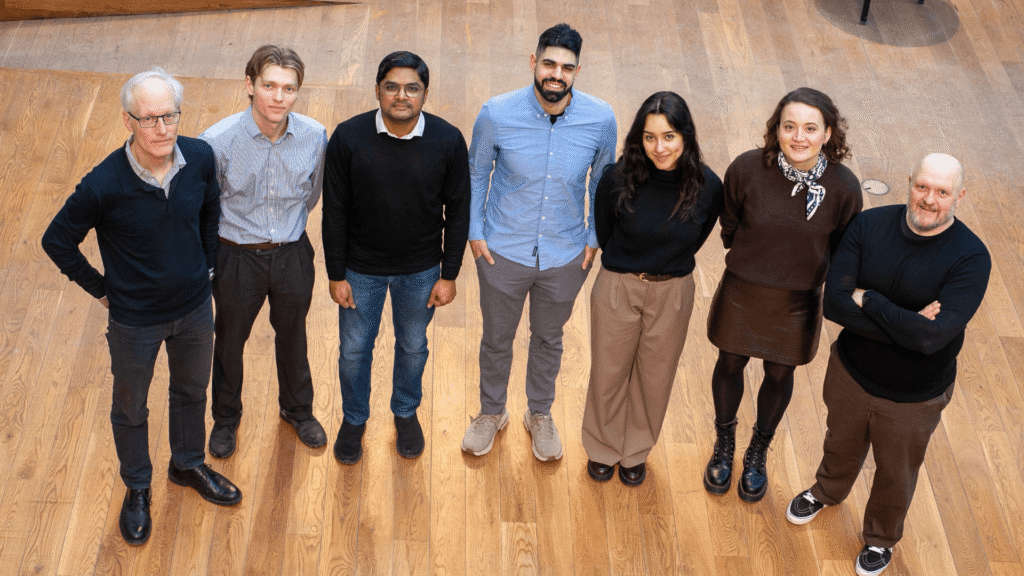
Mycoverse, a Danish agritech spin-out from the Technical University of Denmark (DTU), is positioning itself at the intersection of biotechnology and sustainable agriculture as it raises €2.4 million in pre-seed equity funding to advance fungal-based crop protection solutions. The round was co-led by Future Food Fund and High-Tech Gründerfonds, with participation from PINC, the venture arm of Paulig, bringing the company’s total funding to €4.3 million.
Shifting crop protection priorities in Europe
European agriculture is undergoing a structural transition as regulators tighten restrictions on chemical pesticides and farmers face growing pressure to adopt more sustainable practices. While policy changes aim to reduce environmental impact and protect biodiversity, growers still require effective tools to defend crops against persistent and economically damaging diseases.
One of the most pressing challenges is potato late blight, a disease responsible for significant yield losses and estimated to represent a global market of around $1.9 billion. The disease remains difficult to control and has historically relied on frequent chemical treatments, making it a prime target for biological alternatives that can deliver reliability without environmental trade-offs.
A fungal-first approach to crop protection
Mycoverse is developing biological crop protection solutions based on naturally occurring fungi. Rather than relying on synthetic chemicals, the company focuses on harnessing fungal strains with bioactive properties that can protect crops against disease while integrating seamlessly into existing farming systems.
At the core of the company’s approach is an AI-driven discovery platform that identifies promising fungal candidates with strong protective potential. This is paired with proprietary production technologies designed to enable consistent, scalable manufacturing suitable for commercial agriculture.
The platform is designed to be crop-agnostic over time, supporting applications across multiple plant species. However, Mycoverse’s initial focus is firmly on potato late blight, where the need for alternative solutions is particularly acute. The company has also identified grapevine as a potential future application area, reflecting the broader relevance of its technology across European agriculture.
Early validation and technical progress
According to the company, its lead fungal candidates have already demonstrated strong performance in greenhouse trials. These early results suggest that Mycoverse’s solutions could offer farmers an effective and practical alternative to conventional fungicides, without requiring major changes to current cultivation practices.
The emphasis on compatibility is deliberate. By designing products that can fit into established workflows, Mycoverse aims to lower barriers to adoption and support faster uptake among growers who are balancing sustainability goals with operational and economic realities.
Backing from food and deeptech investors
The investor group reflects growing interest in biological solutions that can deliver both environmental and commercial impact. Future Food Fund brings expertise in sustainable food systems, while High-Tech Gründerfonds contributes experience in scaling science-driven technologies. PINC’s involvement signals strategic interest from the food industry in strengthening upstream agricultural resilience.
Together, the investors are supporting Mycoverse’s ambition to translate academic research into market-ready products capable of addressing real-world agricultural challenges.
Next steps toward market readiness
The newly secured funding will be used primarily to advance Mycoverse’s first product targeting potato late blight. This includes further development, optimisation, and preparation for expanded trials as the company moves closer to commercial deployment.
Looking ahead, Mycoverse aims to build a broader portfolio of fungal-based crop protection solutions that help farmers reduce dependence on chemical pesticides while maintaining productivity and crop health. As regulatory and market pressures continue to reshape European agriculture, the company is positioning itself to play a role in the next generation of sustainable crop protection.