
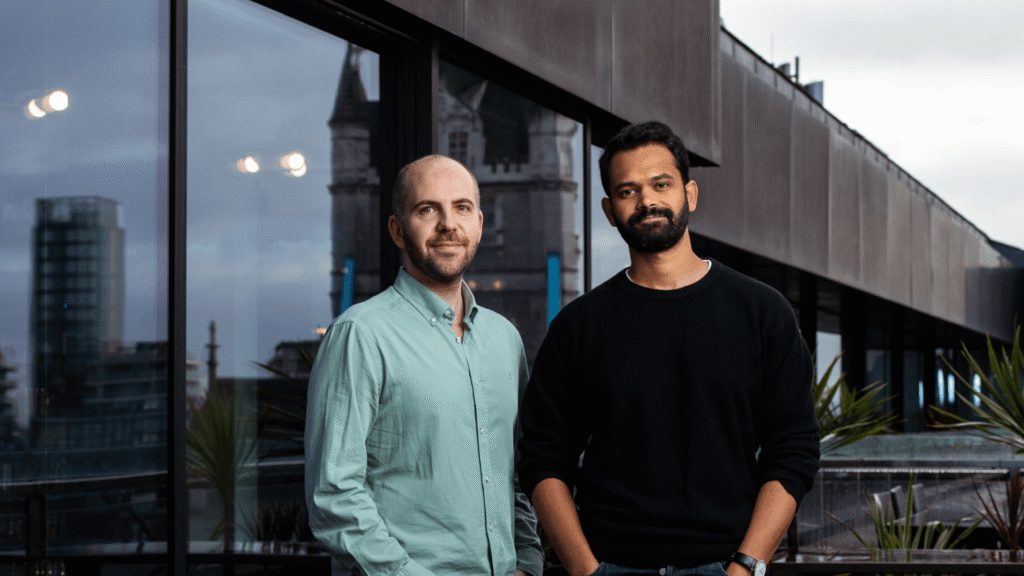
London based Kinfolk is betting that the future of HR will not be managed through tickets or chatbots but executed autonomously by AI. The company has raised a 7.2 million dollar seed round to scale what it calls an AI native workforce operations platform, aimed at helping HR and People Operations teams operate more efficiently as organisations grow.
The funding round was led by AlbionVC, with participation from PROfounders Capital and existing investors Ascension and Emerge. Several angel investors also joined the round, including Tony Jamous, founder and executive chairman of OysterHR. With this latest raise, Kinfolk’s total funding now stands at 8.5 million dollars.
A growing strain on HR teams
Across companies of all sizes, HR and People Operations teams are under increasing pressure. Headcounts are often shrinking, while operational complexity continues to rise due to remote work, global hiring, compliance requirements, and growing employee expectations. Despite this, much of HR’s time is still consumed by repetitive administrative work such as handling employee requests, updating systems, and coordinating lifecycle changes.
Legacy ticketing tools and first generation AI chatbots have done little to solve this problem. Ticketing systems can become slow and impersonal as volumes grow, while basic chatbots typically stop at answering questions rather than taking action. As organisations scale, these limitations can create friction for both employees and HR teams.
Introducing workforce operations
Kinfolk believes the answer lies in what it describes as a new Workforce Operations category. Starting with HR and People Operations, the platform combines agentic AI, request management, lifecycle automation, and analytics into a single system that manages employee support end to end.
Rather than simply routing requests or retrieving information, Kinfolk’s AI agents are designed to execute tasks autonomously across systems. Working directly within collaboration tools such as Slack or Microsoft Teams, the platform can draft documents, update HRIS records, manage onboarding and offboarding processes, and handle employee lifecycle changes without manual coordination.
Jeet Mukerji, co founder and CEO of Kinfolk, said HR teams are often forced to choose between cumbersome ticketing tools and limited chatbots that do not reflect how modern companies operate. He explained that Kinfolk was built to shift HR from manual coordination to autonomous execution, allowing teams to focus on strategic work that drives company growth.
From support desk to operating system
By replacing fragmented tools with a unified workforce operations layer, Kinfolk aims to help organisations scale employee support while increasing internal capacity without adding headcount. For managers, this means greater visibility into people programs and performance. For employees, it promises faster and more consistent support across every stage of the employee journey.
Unlike point solutions that address isolated workflows, Kinfolk positions itself as an operating system for People teams. Its analytics layer provides insight into recurring issues, operational bottlenecks, and program effectiveness, enabling teams to continuously improve how they support the workforce.
Scaling the platform
With the new funding, Kinfolk plans to accelerate development of its agentic AI platform and strengthen its enterprise readiness. The company also intends to expand beyond core HR workflows into adjacent areas such as payroll and IT operations, where similar administrative burdens exist.
In parallel, Kinfolk will grow its go to market teams to meet rising demand from companies looking to modernise how they run workforce operations. As organisations continue to seek efficiency without sacrificing employee experience, Kinfolk is positioning itself as the system that allows People teams to scale with autonomy rather than overhead.