
Concrete has shaped modern cities for generations, but the way it is formed can add significant material waste, cost and environmental pressure to construction projects. Swiss construction technology startup Foldcast is taking a different approach by replacing conventional rigid formwork with recyclable paper based moulds that can create more efficient and customised concrete structures. The company has secured €160,000 in funding from Venture Kick as it moves from technology validation toward pilot projects and commercial deployment.
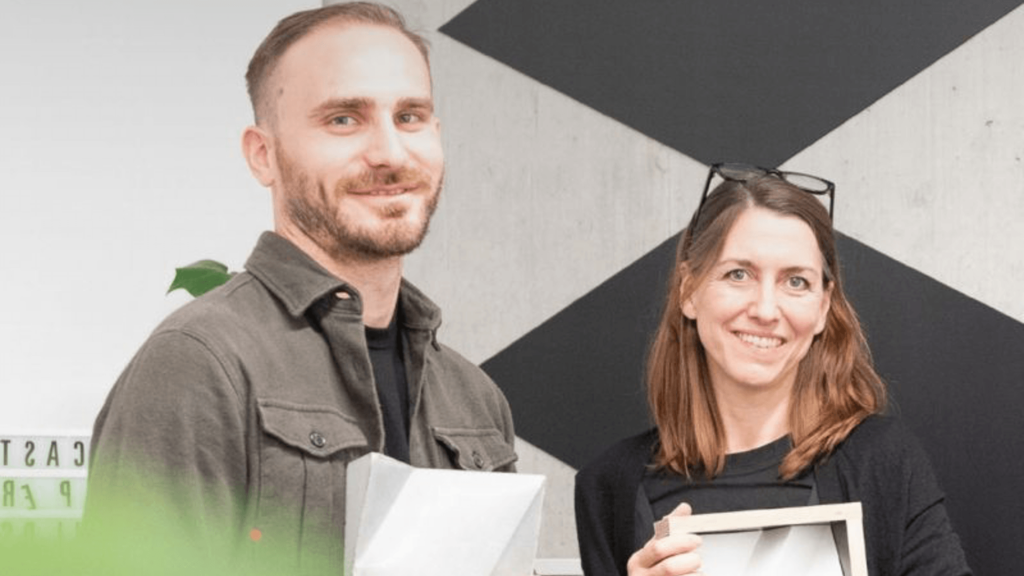
Foldcast is a spin off from Università della Svizzera italiana and was founded by Fabio Amicarelli and Ena Lloret Fritschi. The startup combines recyclable paper moulds with structural design software and digital manufacturing to rethink how concrete components are produced.
Tackling Concrete’s Environmental Footprint
The construction sector faces growing pressure to reduce its environmental impact, particularly because of the large carbon footprint associated with concrete production. Concrete is estimated to contribute around eight per cent of global carbon dioxide emissions.
Beyond the material itself, conventional construction methods can create additional inefficiencies. Traditional wood and metal formwork generally relies on rigid shapes, which can make it difficult and expensive to manufacture complex structural geometries that use material only where it is actually required.
Foldcast is attempting to address both challenges by making the mould itself more adaptable.
Paper Moulds Meet Digital Design
The company uses flexible paper based moulds to create customised concrete elements. Instead of forcing concrete into standardised forms, Foldcast’s technology allows structures to be designed around their specific engineering requirements.
Its software supports the design and optimisation of structural components, identifying geometries that can use less material while maintaining the required structural performance. Digital manufacturing then translates those designs into the corresponding paper moulds.
The approach is intended to allow concrete to be concentrated in areas where it provides the greatest structural value while reducing unnecessary material elsewhere.
Foldcast believes this combination of computational design and recyclable formwork could help lower both material consumption and the emissions associated with concrete construction.
From Technology to Real Buildings
The latest investment marks an important transition for Foldcast as it moves toward commercialisation. Rather than remaining focused solely on technology development, the startup plans to demonstrate its system through real world construction projects.
The company intends to complete two pilot projects as part of its next stage of development. These projects are expected to help validate the technology in practical construction environments and generate experience that can support wider market adoption.
Foldcast is also developing a minimum viable product for its software platform. The software is an important part of its proposition because the company’s technology depends on connecting structural optimisation with the physical manufacturing of customised moulds.
Building a European Market
Foldcast is initially targeting sustainability focused real estate developers and institutional asset owners in Switzerland and other European markets. These customers could provide an early route into projects where reducing material consumption and improving construction sustainability are key priorities.
The startup also plans to establish industrial production partnerships in Switzerland. In the longer term, it expects precast concrete manufacturers to become important production and licensing partners, allowing the technology to reach a broader range of construction projects without requiring Foldcast to manufacture every component itself.
Funding the Next Phase
The €160,000 Venture Kick investment will support Foldcast’s move toward market entry. Alongside the two pilot projects and software development, the company plans to strengthen its sales and business development activities.
Foldcast’s longer term ambition is to make digitally designed and materially efficient concrete construction more practical at scale. By combining recyclable paper formwork, structural optimisation and digital manufacturing, the Swiss startup is positioning its technology as an alternative to traditional construction methods while targeting one of the industry’s most persistent challenges: using less material without compromising performance.