
Artificial intelligence is making it easier than ever to find information, but knowing an answer is not the same as understanding it. Mindmax wants to change how people learn by turning AI into an interactive personal tutor that encourages curiosity, questioning and active participation. The London based learning technology startup has raised £2.5 million in venture capital funding to develop its platform and bring personalised learning to people preparing for professional examinations and acquiring new skills.
The funding round was led by Concept Ventures, with participation from Redrice Ventures, Daybreak Ventures and Lerer Hippeau. Several angel investors also joined the round, including former Depop CEO Maria Raga and Helsing co founder Torsten Reil.
Founders With Experience in Digital Learning
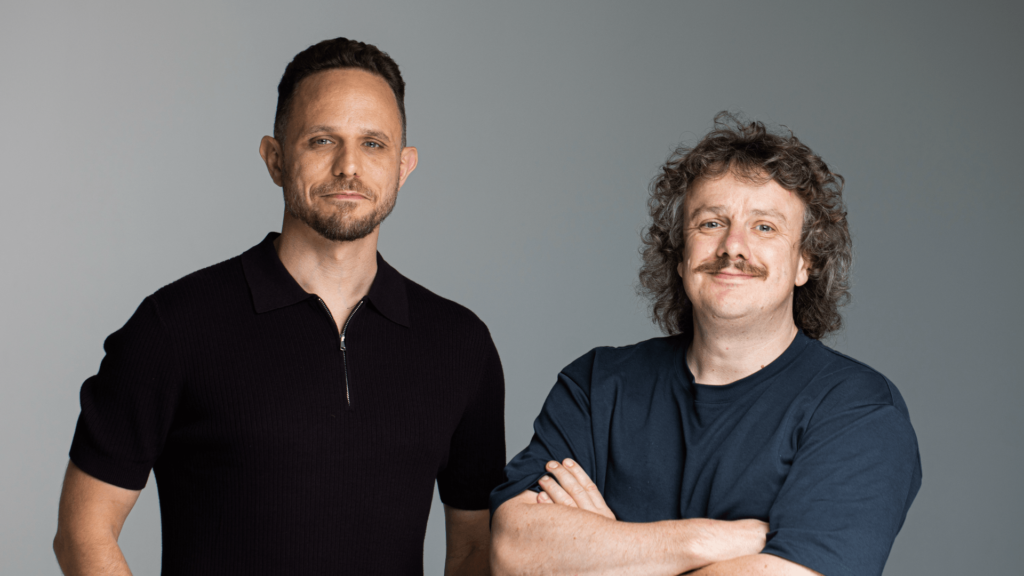
Mindmax was founded by Ed Cooke and Daniel Zohar, who were previously part of the team behind Memrise, the language learning platform used by more than 80 million people worldwide.
Their experience at Memrise helped shape their understanding of how people acquire and retain information. With Mindmax, the founders are applying those insights to a broader range of subjects, including professional qualifications, workplace skills and personal development.
The company’s central idea is that learning should adapt to the individual rather than forcing everyone to follow the same teaching format. Its AI technology aims to understand what a learner already knows, identify areas requiring improvement and adjust lessons accordingly.
An AI Tutor That Learners Can Interrupt
Mindmax’s first product is an AI tutor designed to make learning feel more like a conversation with a knowledgeable teacher than a traditional online course.
Users can speak with the tutor in real time, ask questions, interrupt explanations and guide lessons towards subjects they find difficult. The platform can also provide visual explanations and illustrations to make complicated topics easier to understand.
Unlike conventional learning platforms that rely heavily on recorded videos, fixed lessons and written material, Mindmax aims to create sessions that respond dynamically to each learner.
Its official website describes a personalised learning process that begins with the user’s goals, builds a structured learning path and provides bite sized lessons adapted to individual progress. The platform also includes daily check ins and learning support designed to help users remain consistent.
Keeping Human Thinking at the Centre
Mindmax is entering the education market at a time when the growing use of AI has raised questions about independent thinking and the ability to retain knowledge.
Many AI tools can produce quick explanations, summaries and answers. However, relying on them without actively engaging with a subject may reduce opportunities for deeper understanding.
Mindmax wants to take a different approach by encouraging learners to participate rather than simply consume information. Its conversational format gives users the freedom to explore unfamiliar concepts, challenge explanations and ask follow up questions.
Co founder Daniel Zohar believes curiosity is essential to effective learning. He has pointed out that a person speaking individually with an expert may ask 20 to 30 questions in an hour, an experience that is difficult to replicate in a conventional classroom.
Personalised Learning Beyond the Classroom
The platform is designed for people who want to prepare for professional examinations, develop new workplace capabilities or learn subjects independently. Its longer term ambition is to make personalised tutoring more accessible without requiring every learner to hire a private instructor.
Mindmax also plans to continue improving its AI models and learning technology to deliver more relevant explanations and better adapt to individual learning needs.
Funding the Next Chapter
The £2.5 million investment will support further product development and the company’s growth. Building on the founders’ experience at Memrise, Mindmax is positioning itself in a growing market for AI powered education and professional upskilling.
As technology changes the way people work and acquire knowledge, the company is betting that the future of education will not simply involve AI providing faster answers. Instead, it wants AI to become a learning partner that helps people ask better questions, understand difficult subjects and develop skills that stay with them.