
As artificial intelligence moves deeper into the physical world, companies are increasingly looking beyond centralised cloud systems for ways to process data faster, reduce infrastructure costs, and keep sensitive information closer to where it is generated. Edge AI is emerging as a key part of this shift, enabling cameras, sensors, point of sale systems and other devices to process information locally and collaborate with one another. Edgify is building infrastructure around this idea, initially targeting physical retail before expanding into industries where connected devices need to operate intelligently without depending entirely on the cloud.
The edge AI infrastructure company has raised $9 million in Series A+ funding to accelerate the expansion of its platform across physical retail and new industrial markets.
The round was backed by Rank Ventures and Mangrove Capital Partners, taking Edgify’s total funding raised to $25 million.
The company plans to use the new capital to expand its technology, strengthen its presence in existing retail markets, and bring its edge AI infrastructure to additional industries.
Making Devices Work as One
Founded to address the limitations of traditional cloud based AI infrastructure, Edgify develops technology that connects and orchestrates artificial intelligence models across networks of physical devices.
Its platform can operate across equipment such as self checkout machines, cameras, scales, and point of sale systems. Rather than sending raw information continuously to central cloud servers, devices can process data locally and share relevant insights across the network.
This approach can reduce latency and cloud infrastructure requirements while allowing businesses to retain sensitive operational and customer information within their own physical environments.
The platform is also hardware agnostic, meaning businesses can connect equipment from different manufacturers instead of replacing existing infrastructure. Edgify works with technology partners including Zebra Technologies and Bizerba.
Tackling Retail Losses With Computer Vision
Edgify initially focused its commercial strategy on grocery retail, where its technology is being deployed by retailers across the United States and Europe.
One of its primary applications is loss prevention.
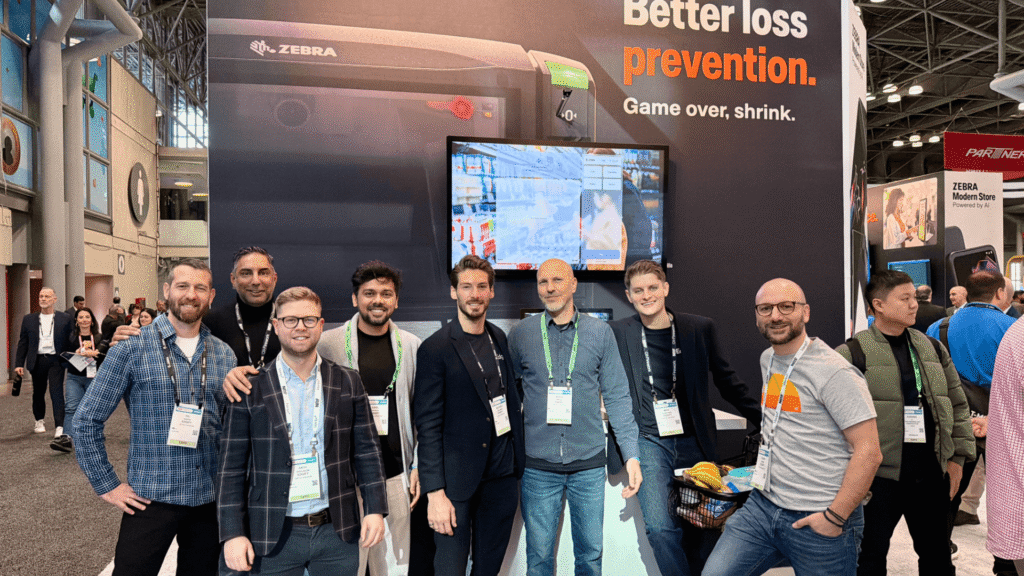
Its computer vision systems can identify products and recognise behaviours associated with retail losses, including scan avoidance, product switching, and items that remain inside shopping carts without being scanned.
The technology can provide real time assistance to shoppers and store employees, helping retailers identify potential issues while transactions are taking place rather than relying solely on post transaction analysis.
By processing information locally, retailers can also reduce the amount of raw video and other sensitive data that needs to be transferred to the cloud.
Beyond Grocery Stores
Edgify is now expanding its platform beyond supermarkets into convenience stores, quick service restaurants, distribution centres, and apparel retail.
The company believes the same infrastructure can address challenges in many other physical industries.
Transportation, logistics, manufacturing, and warehouse operations all operate large fleets of devices that generate significant volumes of data. Many of these environments still rely on legacy equipment and can face high costs when deploying dedicated on premises computing infrastructure.
Edgify’s model aims to turn those existing devices into a coordinated intelligence network without requiring businesses to replace their hardware.
Growing Edge AI Opportunity
The company’s expansion comes as demand for edge based artificial intelligence continues to increase.
Industry projections indicate that the global Edge AI market could grow from approximately $36 billion to around $386 billion by 2034. Edgify is initially targeting the retail computer vision market, estimated at approximately $15.8 billion.
The company believes that the biggest opportunity lies in environments where large numbers of devices interact with the physical world and need to make decisions quickly.
Building Cloud Independent Intelligence
Edgify’s longer term ambition is to create distributed intelligence networks that allow machines to learn from one another while operating independently of centralised cloud infrastructure.
The company argues that intelligence should increasingly exist at the point where data is created. By coordinating information across existing devices, organisations can potentially reduce infrastructure costs while improving responsiveness and data privacy.
With its latest funding, Edgify plans to take the technology developed for grocery retail into broader industrial environments.
Its strategy is to transform isolated hardware into connected, real time intelligence networks capable of processing information locally, learning collectively, and continuing to operate even when constant cloud connectivity is not practical.