
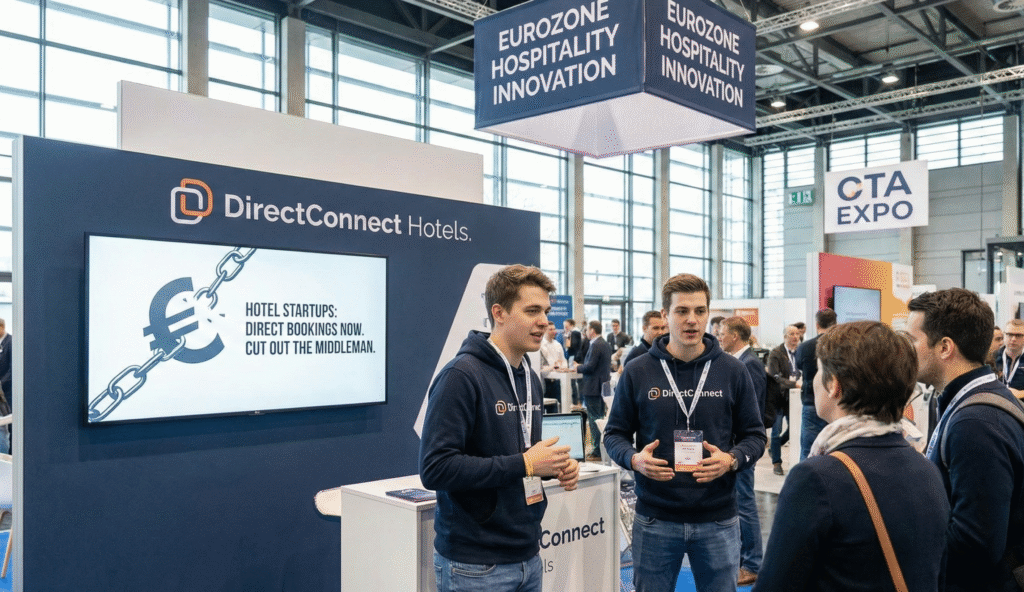
The Future of Direct Booking represents an era of total liberation for the European hospitality industry. For nearly two decades, hotels have been trapped in an expensive and exhausting dependency on giant Online Travel Agencies, which are often called OTAs. These platforms have served as digital gatekeepers, charging commissions as high as 30% on every reservation. This economic burden has stifled innovation and drained the profits of boutique owners and major chains alike. However, the tide is turning at incredible speed. A specialised ecosystem of Eurozone startups is arming hotels with a sophisticated software arsenal that converts web visitors into loyal guests. This guide explores the strategic death of the middleman and the technical breakthroughs making it possible.
Why the Future of Direct Booking is an Economic Necessity
The primary motivation for the surge in direct booking technology is the fight for survival in a high-inflation economy. When a hotel loses a massive chunk of its revenue to an external platform, it struggles to reinvest in staff, facilities, and sustainability. This financial drain is why forward-thinking founders are obsessed with the Future of Direct Booking. By reclaiming the direct relationship with the traveller, a hotel can double its net profit per room night.
Data ownership is the second major driver for this change. When a guest books through a third party, the hotel often receives very little information about the person staying in their building. This makes it impossible to deliver the personalised experiences modern travellers demand. In the new era of hospitality, data is the most valuable asset. The Future of Direct Booking ensures that every piece of guest intelligence from pillow preferences to dietary needs remains the hotel’s property.
The Architecture of the Direct Revolution
Implementing these strategies requires a complete overhaul of the hotel tech stack. The legacy systems of the past were designed for back-office accounting, but the new generation of software is designed for growth and conversion.
The cloud-based Property Management System serves as the foundation for this independence. A premier example is Mews, founded in Prague and now a global powerhouse based in Amsterdam. Mews has effectively killed the boring administrative desk by providing an API-first platform that prioritises the guest journey. Their software allows hotels to automate the unsexy parts of the business so they can focus on the direct booking experience. By integrating payments and check-in directly into a branded app, Mews ensures the hotel owns the entire digital perimeter from the first click to the final check-out.
Converting Interest into Revenue with Intelligence
Generating traffic is only half the battle. A hotel website must be as fast and intuitive as the major OTA platforms to win the booking. This is where the Amsterdam-based startup Hotelchamp has become an essential partner for the industry. They provide a suite of conversion tools that leverage behavioural psychology to nudge travellers toward a direct reservation.
Their platform analyses a visitor’s intent in real time. If the system detects that a person is about to leave the site to compare prices elsewhere, it can instantly offer a direct booking perk, such as complimentary breakfast or a late check-out. This level of responsiveness is vital for breaking the habit of using third-party apps. It turns a static website into a dynamic sales engine that understands the unique needs of every potential guest.
Using Real-Time Data to Level the Playing Field
Transparency and trust are the ultimate weapons in the direct booking war. Travellers often use OTAs because they believe they are getting the lowest price. The Barcelona-based startup The Hotels Network solves this by providing price comparison widgets that sit directly on the hotel website.
This technology shows the guest a live comparison of the direct rate and the major third-party sites. If the hotel is cheaper, it proves the value of the direct channel instantly. If it is not, the system alerts the manager so they can adjust their pricing strategy. This data intelligence layer also enables predictive analytics that show which room types are in high demand, allowing hotels to optimise their inventory with the same precision.
Frictionless Payments and the One-Tap Checkout
The final hurdle for the Future of Direct Booking is the complexity of the payment process. OTAs have mastered the easy checkout, and hotels must do the same to compete. The innovative platform Selfbook has gained massive traction by simplifying the booking process to a few taps.
They utilise digital wallets such as Apple Pay and Google Pay to eliminate the need for guests to enter credit card numbers. By reducing the number of steps required to complete a booking, Selfbook has helped hotels increase their direct conversion rates by over 20%. This focus on digital simplicity is a critical component of the post-agency world. It ensures that the technical friction of the past no longer stands in the way of a direct, profitable relationship between the host and the traveller.
Conclusion
The Future of Direct Booking has transformed from a hopeful ambition into a dominant market force, by understanding the how and why behind these changes from cloud-native infrastructure to real-time price comparison, founders can build more profitable and sustainable hospitality brands. The work of companies like Mews, Hotelchamp, and The Hotels Network is proving that the middleman is no longer a necessary evil. As hotels continue to adopt these intelligent systems, the power will return to the people who actually provide the service. The path to a better travel industry is direct, and it is being built right now through the technical ingenuity of the Eurozone startup scene.