
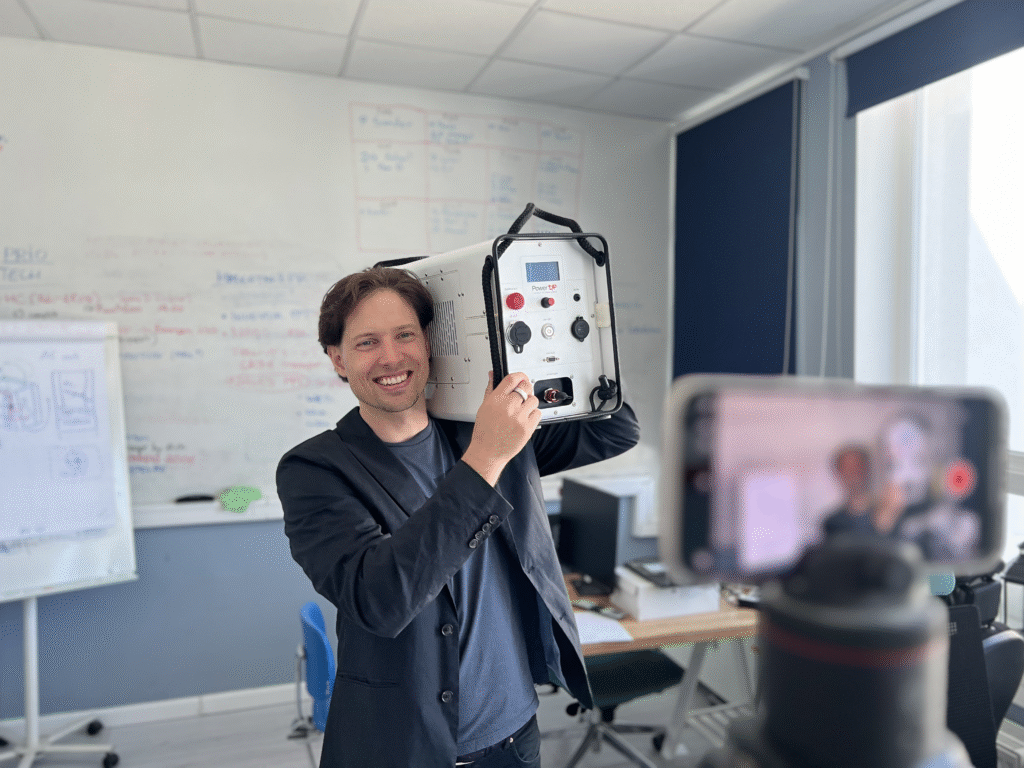
PowerUp Technologies, led by scientist-turned-entrepreneur Ivar Kruusenberg, is not just building emission-free generators; it is engineering a clean, resilient energy infrastructure that has been validated on the front lines and in the lab. Fresh off a €10 million Series A funding round, the Estonian deep-tech firm is moving its space-engineered, hydrogen-powered systems from niche deployments to the global stage, challenging outdated regulations and the reliance on polluting diesel power.
In an exclusive interview with The Tech News Portal, Ivar Kruusenberg, Founder and CEO of PowerUP, outlines a vision where the hydrogen economy is not a distant goal waiting for pipelines, but an immediate reality delivered by a mobile, smart virtual network.
The Last Mile Solution: Decoupling Energy Consumption from the Grid
The global shift to hydrogen has been slow-paced, often paralyzed by the monumental task of building pipelines and central refuellng stations. Kruusenberg and his team, however, have simply bypassed the problem entirely.
“Some people seem to wait for the ‘perfect’ hydrogen grid—pipelines to everywhere. We simply stopped waiting,” Kruusenberg states, offering a pragmatic solution to the industry’s most frustrating bottleneck.
Instead of waiting for infrastructure, PowerUP is containerizing the solution, treating hydrogen like a globally accessible utility, not a fixed resource.
💬 Ivar Kruusenberg: “We realized that if we could make hydrogen as easy to swap as a propane tank for your BBQ, we solve the ‘last mile’ problem immediately. Our generators are like automated vending machines for energy. You don’t need a pipeline; you just need a car, or a drone, to drop off hydrogen cylinders. This allowed us to decouple consumption from production.”
This strategy of building a ‘virtual grid’ relies on robust partnerships with gas providers, ensuring that for every generator sold, the clean fuel is “never more than a click away.” This approach is already moving the technology from a futuristic concept to a necessity for critical infrastructure, including telecom towers and military installations that demand energy sovereignty.
Selling ‘Uptime Insurance’: The Intelligence of Smart Power
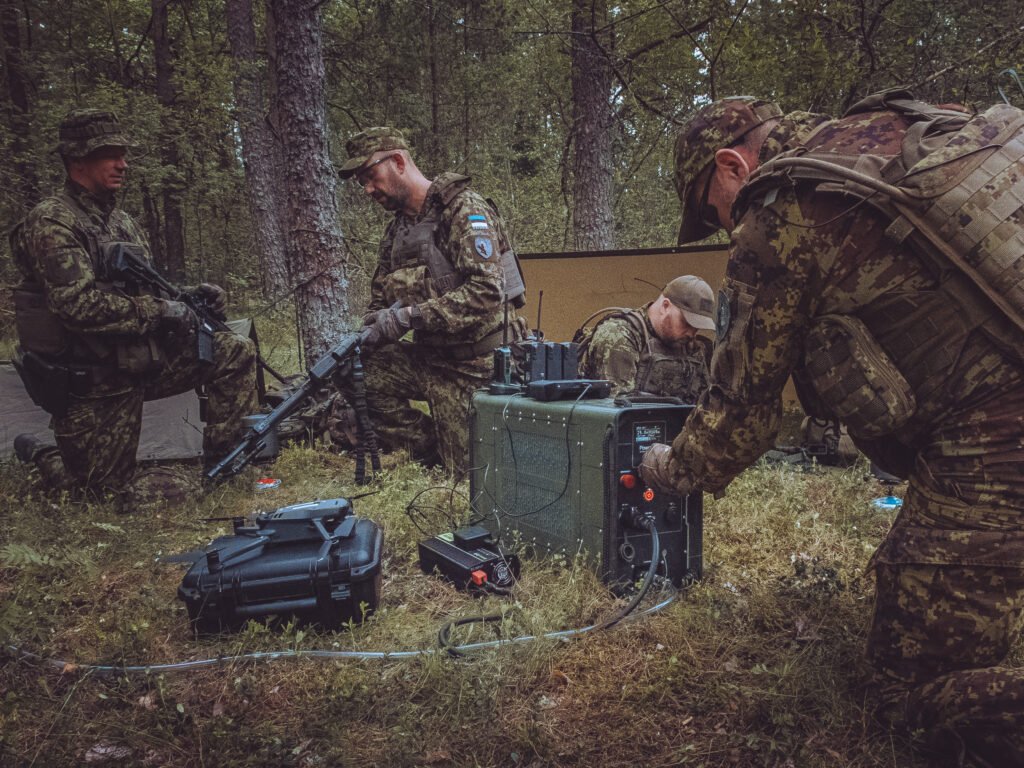
The PowerUP generators, known as the UP-series, are far more than just hydrogen fuel cells; they are IoT-native systems designed to sell reliability. This commitment to “uptime insurance” stems from the dual-use nature of their technology, which was initially engineered for the European Space Agency and has since been validated in high-stress, off-grid environments like Ukraine.
Kruusenberg draws a sharp contrast with legacy systems:
💬 Ivar Kruusenberg: “Your average diesel generator is a black box—you only know it’s broken when the lights go out. Our units are IoT-native. We monitor the data from our fuel cell stack in real-time… This isn’t just data for data’s sake; it allows for predictive maintenance.”
By constantly monitoring fuel cell performance, the system can detect a slight dip or anomaly weeks before a hard failure, triggering a maintenance alert. For critical sectors like telecommunications, this level of data telemetry transforms a potential catastrophic network outage into a simple, scheduled maintenance trip.
📈 The Estonian Speed: Scaling Without the Factory Floor Wait
Following a successful €10 million Series A funding round in November 2025, PowerUP is executing a professionalized scaling plan that avoids the typical capital expenditure trap of deep-tech manufacturing.

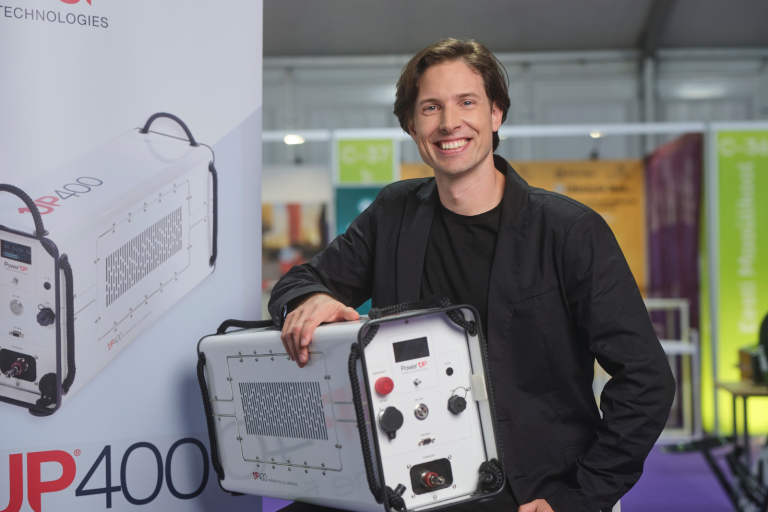
💬 Ivar Kruusenberg: “We view our recent funding not as capital for construction, but as fuel for commercialization. Our strategy leverages the existing capabilities of large Electronic Manufacturing Service (EMS) partners for serial assembly. This allows us to scale immediately without the heavy capital expenditure and time delays of building a massive internal factory.”
The Estonian facility, located next to their lab, will remain their specialized innovation hub for R&D and future products like the UPMobile, ensuring that engineering quality is protected even as manufacturing volume expands. This model marries the maturity of experienced engineers with the agility of a startup.
Talent and Culture: Speed Meets Structure
PowerUP’s team boasts veterans with decades of fuel cell expertise, including members with experience across major corporations and even a Nobel Prize nominee on their advisory board. This mature foundation is now being adapted for mass commercialization.
Ivar Kruusenberg: “We have the ‘Estonian speed,’ but we are now using this Series A to professionalize our operations. We are moving from a ‘founder-led’ hustle to a structured organization. We are keeping the speed, but adding the structure.”
A Plea to the Rulebook: Updating the Laws of Physics
Perhaps the biggest hurdle for PowerUP isn’t the technology or the market, but the bureaucracy. Kruusenberg argues that hydrogen’s adoption is being suffocated by outdated building codes that fail to recognize the fundamental physics of the fuel.

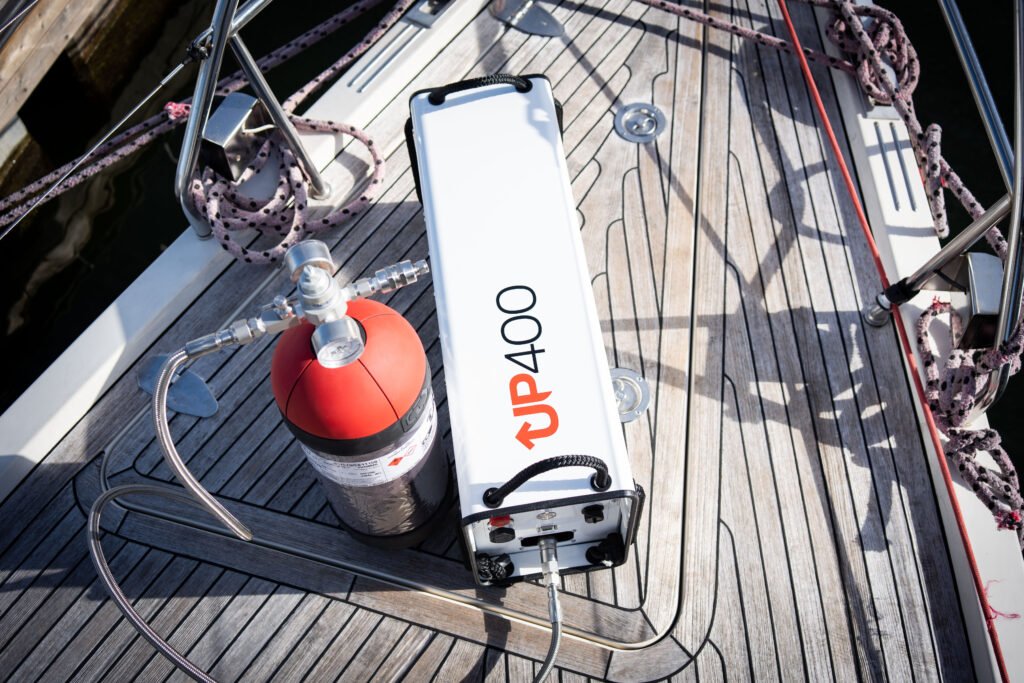
💬 Ivar Kruusenberg: “The technology is ready, but the rulebook is outdated. In many jurisdictions, building codes still treat a hydrogen cylinder like it’s an explosive, rather than a standard fuel source… The irony is that a diesel generator spews toxic fumes that actually get sucked into air conditioners because they hang in the air.”
Kruusenberg highlights the scientific absurdity of current codes:
💬 Ivar Kruusenberg: “Physics dictates that hydrogen goes up: it escapes at 20 meters per second. The current code assumes it behaves like propane and goes sideways. We need to update the paperwork to match the laws of physics, because we certainly cannot update the laws of physics to match the paperwork.”
For PowerUP, the revolution won’t be completed in the lab; it will be finalized in city council meetings. By creating dual-use power systems that are already “battle-tested” and backed by real-time data, Ivar Kruusenberg is ready to deliver energy sovereignty. The only thing left standing in the way of a cleaner, more resilient future is a signature on a piece of paper.