
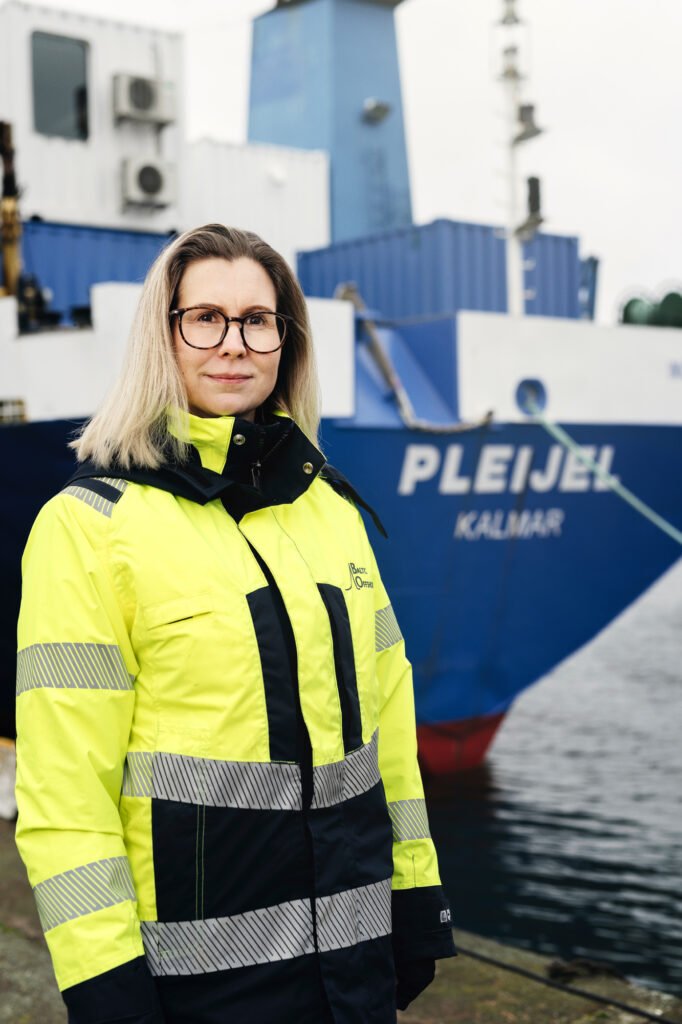
Tykoflex and Baltic Offshore together with Lilaco Offshore have unveiled the program to enhance submarine fibre-optic cable repair capacity in the Baltic Sea in response to concerns about the growing risks of the critical digital infrastructure.
More than 95 per cent of the world’s international data traffic is carried out via submarine fibre-optic cables that make them the most important networks for communications, commerce, and economic stability. For quite a few years, operators in the Baltic Sea have run a fast and effective repair and restoration system in case of damage of many operators. But, due to the increased geopolitical tensions and complicated security challenges scenarios of simultaneous multiple cable outages have become more likely, and thus a call for a robust and scalable system has been made.
The new programme intends to evolve the current model into a future-proof one, where materials, vessels, and personnel can be rapidly mobilised from different places when repair demands get high unexpectedly. This work is focused on operational readiness, availability of materials, and implementation of technical solutions for the next generation of subsea cable systems.
Sweden’s Minister for Civil Defence, Erik Slottner, noted that the increased preparedness would contribute greatly to national resilience. “Repair capacity enhancement in the Baltic Sea is a direct way for the whole system to become more resilient, and it also facilitates Sweden’s digital independence, as more alternative routes are created for use in the case of incidents or disruptions,” he stated.
The program will study a number of priority development issues. Among them are speeding up access to specialised repair equipment and cable components and creating dedicated training programmes to ensure offshore repair competence. The research will also look into the ways vessels used for other commercial purposes might be quickly converted to cable repair operations if necessary.
Another aspect of the program is the continued improvement of Tykoflex’s universal jointing system, Seaflex®️, to facilitate cable installations that are ready for the future, including SMART environmental sensing cables and actively repeated systems intended for long-distance high-capacity communication.
Tykoflex CEO Richard Petterson Wigh said the current repair operations were a good starting point for the next stage of preparedness. “There is already an efficient Baltic Sea repair model that has been tested in real-world scenarios,” he said. “This program is not only a demonstration of collaboration between the government and industry towards building a resilient society but also quite evident.”
Baltic Offshore Chief Executive Natalie Franzén talked about the necessity of keeping up with practical knowledge while at the same time strengthening physical infrastructure. “There is no doubt that vessel resources should be freed up, but maybe even more importantly, operational competence,” she stated. “Building and maintaining experience and know-how for practical repair capability requires time and is therefore important that we work proactively. I am glad that this study will help us to further consolidate repair preparedness in the Baltic Sea. ”
This endeavour is financed by the Connecting Europe Facility – Digital (CEF Digital), under a program called “How repair preparedness can stimulate resilient and diversified fibre-optic cable systems”. It is one of the many initiatives of the European Union to establish a secure and resilient digital infrastructure in the region.
Information about the project will be available on subsearesilience.com.